How to Prepare a Pet First Aid Kit in Jacksonville
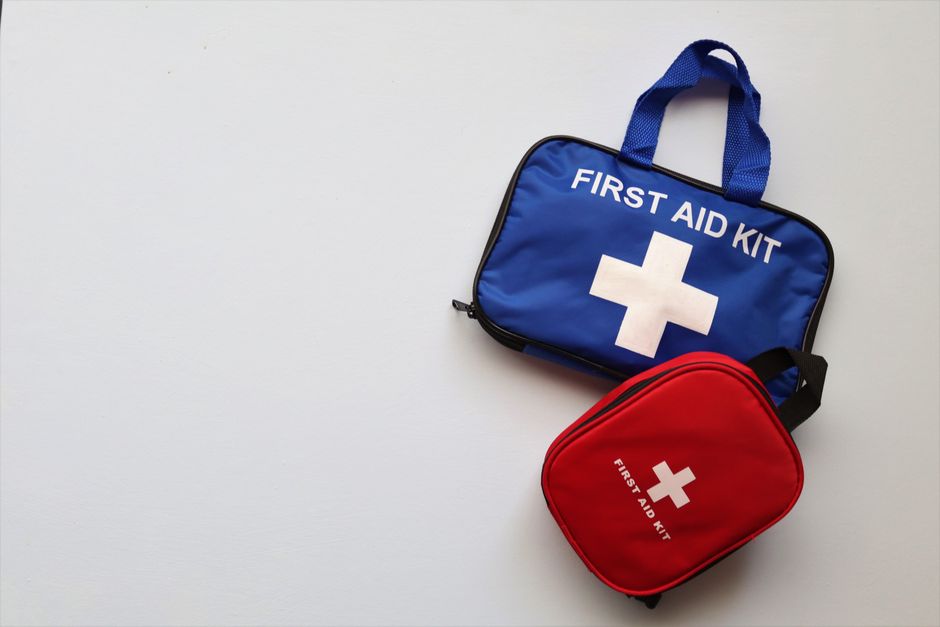
How to Prepare a Pet First Aid Kit in Jacksonville
When an unexpected accident happens at home, every pet owner wants to be ready to help their dog or cat right away. Whether your energetic pup cuts a paw on a weekend walk or your curious cat gets a minor scrape, having a well-stocked pet first aid kit can make all the difference before you reach your veterinarian. At Arlington Animal Clinic, our team of veterinarians in Jacksonville understands how stressful these moments can be, especially when you are unsure what to do first. This guide will walk you through the essentials of building a pet first aid kit for your home, tailored to the needs of Jacksonville pet owners, and offer practical advice on when it is time to schedule an appointment at our clinic on Fort Caroline Road.
You will learn which items are must-haves for your pet first aid kit, tips specific to the Jacksonville climate, and what steps to take during a minor emergency. We will also cover the limits of home care and explain when immediate veterinary attention is crucial. By the end, you will feel more confident in providing basic care and in knowing when to rely on our veterinary professionals for support.
Recognizing Common Pet Emergencies at Home
Every pet owner has faced a situation that sparks worry, from a limping dog after playtime to a cat with a sudden nosebleed. Knowing when an issue can be managed at home and when it requires veterinary expertise is key to your pet's wellbeing.
Common situations that call for a first aid kit include minor cuts, scrapes, insect bites, torn nails, or a small burn from a tipped-over candle. Warning signs that your pet may need immediate attention are persistent bleeding, deep wounds, swelling that gets worse, or any change in breathing. It is also important to watch for symptoms like ongoing vomiting or diarrhea, sudden lameness, or signs of pain such as yelping, hiding, or refusing to eat. Jacksonville's warm climate means you should also be alert for heat-related issues, including excessive panting or weakness during hot months.
If your dog or cat is ever unresponsive, has difficulty breathing, or is bleeding heavily, contact your veterinarian right away. For more guidance on how to handle urgent pet situations, you can review our emergency veterinary care information.
Why Every Jacksonville Pet Owner Needs a First Aid Kit
Accidents can happen quickly, and having pet-specific supplies on hand can help you provide immediate comfort and care. Jacksonville's active pet community means that dogs and cats spend plenty of time outdoors, increasing the risk for cuts, bug bites, or even interactions with wildlife. Additionally, our local weather can bring unique challenges—afternoon storms may startle pets, leading to injuries during escapes, while summer heat can cause paw pad burns or dehydration.
A pet first aid kit is designed to address these everyday hazards, allowing you to clean wounds, control minor bleeding, or safely transport your pet to the clinic. Being prepared also helps you remain calm and focused if an emergency arises.
Essential Items for Your Pet First Aid Kit
A complete pet first aid kit includes items that address the most common minor injuries and emergencies for dogs and cats. Supplies to consider are clean gauze pads for stopping bleeding, adhesive tape for securing bandages, antiseptic wipes or solution for cleaning wounds, and blunt-ended scissors for trimming fur around injuries. Tweezers are helpful for removing splinters or ticks, and a digital thermometer allows you to check your pet’s temperature if you suspect fever or heatstroke. Include a soft towel or blanket for restraint or comfort, as well as an extra leash and collar for safe handling.
Other useful additions are tick removers, sterile saline solution for rinsing eyes or wounds, disposable gloves, and a small flashlight for examining hard-to-see areas. It is wise to keep a muzzle designed for your dog’s size or a soft cat restraint, as even the gentlest pets may react unexpectedly when hurt. Always have your veterinarian’s contact information and the number for an emergency clinic handy. For any medications or treatments, use only those prescribed by your veterinary team, as some human medications can be dangerous to pets.
Consider the local climate as well—Jacksonville’s heat means you should have a water bottle and portable bowl ready to help prevent dehydration during walks or emergencies on the go.
How to Use Your Pet First Aid Kit in an Emergency
When an accident occurs, your first goal is to stay calm and assess your pet’s condition. Approach slowly, speaking in a reassuring voice, and be prepared to gently restrain your dog or cat with a towel or blanket if needed. If there is bleeding, apply gentle pressure with a clean gauze pad; if the wound is dirty, rinse with sterile saline before bandaging. For minor burns, cool the area with cold water for several minutes, then cover lightly with a clean cloth.
If your pet has a splinter or tick, carefully remove it with tweezers, cleaning the area afterward. A torn nail can be managed by applying pressure with gauze to stop bleeding, but if bleeding persists, schedule an appointment with your veterinarian. In cases of insect stings or allergic reactions, watch for swelling around the face or difficulty breathing—these are signs that require immediate veterinary care.
For heat-related symptoms such as excessive panting or collapse, move your pet to a cool area, offer small amounts of water, and contact your veterinarian for further instructions. Remember, your first aid kit is for stabilizing your pet and providing comfort; it is not a substitute for professional veterinary care in serious situations. For more information about the types of urgent care we provide, visit our same-day and urgent veterinary care page.
Preventing Pet Emergencies at Home
While accidents are sometimes unavoidable, there are steps you can take to minimize risks for your dog or cat. Keep hazardous items such as household cleaners, electrical cords, and sharp objects out of reach. Monitor your pet during outdoor activities, especially in unfamiliar areas or during Jacksonville’s hot summer days. Provide regular grooming and nail trims to reduce the risk of torn nails or matting that can hide injuries.
Maintain your pet’s regular wellness exams and vaccinations to catch health concerns early and keep up-to-date on parasite prevention, as fleas and ticks are common in our region. Creating a safe, pet-friendly environment both indoors and outdoors can help prevent many common injuries.
When to Seek Veterinary Care
It is always better to err on the side of caution if you are unsure about the severity of your pet’s injury. You should schedule an appointment at Arlington Animal Clinic if your pet’s wound is deep, continues to bleed after several minutes of gentle pressure, or shows signs of infection such as redness, swelling, or discharge. Persistent vomiting, diarrhea, or lethargy warrant prompt attention as well. Difficulty breathing, sudden collapse, seizures, or any sign of severe pain require immediate veterinary intervention—do not attempt home care in these cases.
For more details on recognizing situations that require urgent help, review our information on emergency veterinary care or, for injuries involving broken bones, see our fractures and dislocations treatment page. Our veterinary team is always available to answer your questions and guide you on the next steps for your pet’s health.
Your Local Partner in Pet Emergency Preparedness
Preparing a pet first aid kit is one of the simplest ways to protect your dog or cat when minor accidents happen at home. By keeping the right supplies on hand and knowing when to seek professional care, you can provide comfort and essential help until your pet can be seen by a veterinarian. At Arlington Animal Clinic, we are committed to supporting Jacksonville pet owners through every stage of care, from prevention to emergency response.
If you have questions about what to include in your pet first aid kit, or if you need to schedule an appointment for your dog or cat, call our team of veterinarians at (904) 743-4567 or visit us at 5844 Fort Caroline Rd, Jacksonville, FL 32277. When searching for a vet near me in Jacksonville, trust our team to provide prompt, compassionate care whenever your pet needs it most. For more resources or to learn about our emergency veterinary care services, explore our emergency care information online. Your pet’s health and safety are always our top priority.