Cat Blood Test Basics: What Jacksonville Pet Owners Should Know

Cat Blood Test Basics: What Jacksonville Pet Owners Should Know
If you’ve ever been told your cat needs a blood test, you might wonder what this means for their health and why it’s a crucial part of veterinary care. At Arlington Animal Clinic, located at 5844 Fort Caroline Rd, Jacksonville, FL 32277, our team of veterinarians understands how important it is for pet owners to feel informed and confident about their cat’s health. Cat blood tests play a vital role in detecting illness early, monitoring ongoing conditions, and guiding treatment decisions, all with the goal of helping your feline companion live a longer, healthier life. In this post, we’ll break down the basics of cat blood tests, explain why they’re recommended, what you can expect during your visit, and how our in-house lab services make the process faster and more convenient for families throughout Jacksonville and the surrounding communities. Whether you’re preparing for a routine wellness examination or your cat isn’t feeling their best, understanding blood testing can empower you to make the best choices for your pet’s well-being.
Recognizing When Your Cat Might Need a Blood Test
As a pet owner, it can be difficult to know when your cat needs more than just a physical exam. There are many situations where a cat blood test becomes an essential tool for uncovering underlying health issues. Cats are experts at hiding signs of illness, so even subtle changes in behavior or appearance can be significant.
Key signs that might prompt your veterinarian to recommend a cat blood test include changes in appetite, unexplained weight loss or gain, increased thirst or urination, vomiting, diarrhea, lethargy, or sudden changes in grooming habits. Additionally, if your cat seems less active, is hiding more often, or vocalizes more than usual, these can also be early warning signs. During routine wellness visits, especially as your cat ages, blood tests are often used for screening to catch hidden problems before they become serious. For cats with chronic illnesses or on long-term medications, regular blood work helps ensure their organs are functioning properly and that treatments remain safe and effective.
Understanding Why Cat Blood Tests Are Important
Cat blood tests are a window into your pet’s internal health, offering information that a physical exam alone cannot provide. These tests can reveal disorders affecting the kidneys, liver, thyroid, or immune system, and are key to detecting infections, anemia, diabetes, and even certain cancers. Early detection through blood work means that many conditions can be treated or managed before they progress to a more advanced stage.
There are several types of cat blood tests your veterinarian may recommend. A complete blood count (CBC) measures the levels of red and white blood cells and platelets, which can indicate infections, inflammation, or bleeding disorders. A blood chemistry panel evaluates organ function, electrolytes, and metabolic status, helping detect kidney disease, liver issues, diabetes, and more. For older cats, thyroid testing is often included to screen for hyperthyroidism, a common condition in senior felines. If your veterinarian suspects a specific issue, more targeted tests might be recommended as well.
At Arlington Animal Clinic, our in-house laboratory allows us to perform these essential cat blood tests quickly, often delivering results the same day. This rapid turnaround is especially important when your cat isn’t feeling well, as it helps us develop a targeted treatment plan without delay. If you’re interested in learning more about what’s involved in routine screening, our team encourages you to explore our cat lab testing services for a deeper look at what we offer.
What Happens During a Cat Blood Test at Arlington Animal Clinic
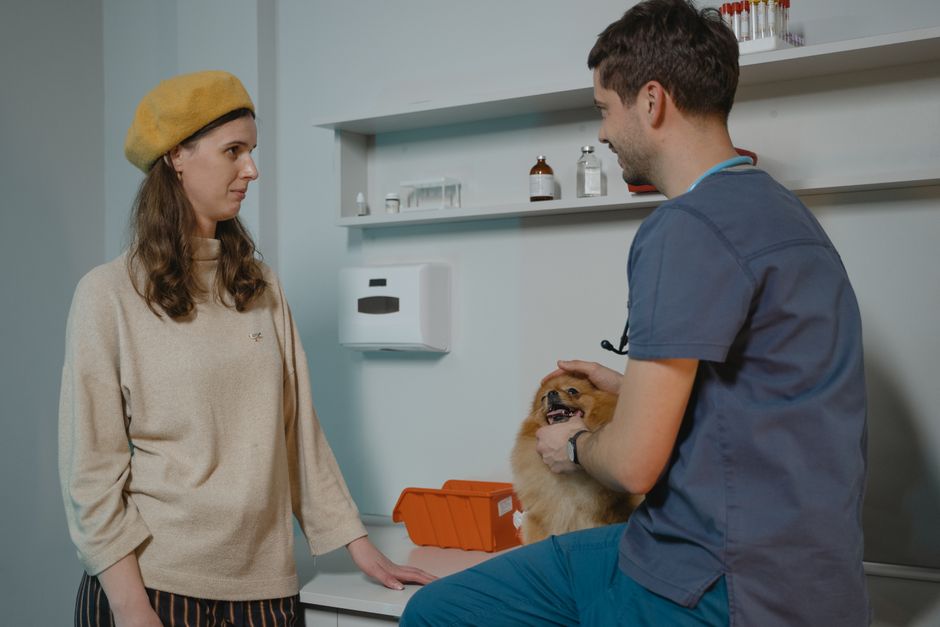
When your cat comes in for a blood test at our Jacksonville clinic, our veterinary team works to make the experience as stress-free as possible for both you and your pet. Typically, a small sample of blood is drawn from a vein in your cat’s leg or neck. The procedure is quick, and most cats tolerate it well, though some may require gentle restraint to keep them calm and still.
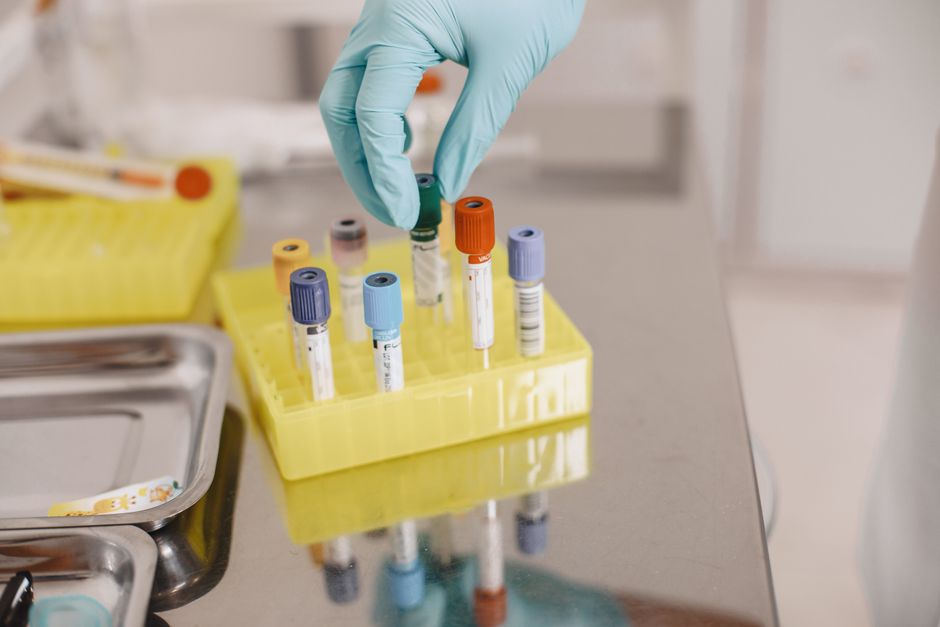
After collection, the sample is processed in our on-site lab, where advanced equipment analyzes the various components of your cat’s blood. Results are then reviewed by our veterinarians, who interpret the findings in the context of your cat’s medical history, physical exam, and any current symptoms. Depending on the results, the next steps might include further diagnostic testing, medication adjustments, or simply monitoring your cat’s health over time.
For cats receiving ongoing care for chronic conditions or as part of their regular preventive care, our in-house lab services allow us to track changes in their health efficiently. This proactive approach is central to our philosophy of keeping your cat healthy for years to come.
How Blood Tests Guide Treatment and Management
The information gained from a cat blood test can make a significant difference in your pet’s health outcomes. For example, early detection of kidney disease allows for dietary management, hydration support, and medication before your cat shows obvious signs of illness. If liver enzymes are elevated, your veterinarian can investigate potential toxins, infections, or other causes and recommend targeted therapies. In cases of anemia, blood tests reveal whether the problem is due to blood loss, destruction of red blood cells, or decreased production, each requiring a different approach.
For cats with diabetes, regular blood work helps monitor blood sugar levels and assess how well their treatment plan is working. Thyroid testing in older cats can uncover overactive thyroid glands, which are treatable with medication, dietary changes, or other interventions. In every case, blood test results guide your veterinarian in making informed decisions, tailoring care to your cat’s unique needs.
Our team at Arlington Animal Clinic is committed to communicating these results clearly, discussing treatment options with you, and ensuring you feel confident in the care your cat is receiving. Whether it’s adjusting medication for a chronic condition or creating a new treatment plan based on recent lab findings, our goal is always to work together for your cat’s best health.
Supporting Your Cat’s Health at Home
While regular veterinary visits and blood tests are crucial, there is much you can do at home to support your cat’s well-being. Observe your cat’s daily routines, noting any changes in appetite, water consumption, litter box habits, or energy level. Provide a balanced diet recommended by your veterinarian, maintain a consistent feeding schedule, and ensure fresh water is always available. Regular play and mental stimulation also contribute to your cat’s overall health.
If your cat is prescribed medication or a special diet following blood test results, follow your veterinarian’s instructions closely. Administer all medications as directed, and do not stop or change treatments without consulting your veterinary team. Keeping a journal of any changes in your cat’s behavior or symptoms can help track progress and alert your veterinarian to potential concerns early.
Preventive care goes hand-in-hand with early detection. Scheduling routine wellness examinations and discussing blood work with your veterinarian ensure your cat receives comprehensive care tailored to their life stage and health risks. Staying proactive can make a significant difference in your feline companion’s quality of life.
When to Seek Veterinary Care for Your Cat
It’s important to know when a cat blood test is more than just a routine check. If your cat is showing persistent symptoms such as vomiting, diarrhea, loss of appetite, sudden weight changes, increased drinking or urination, or noticeable changes in behavior, schedule an appointment promptly. These signs can indicate underlying health problems that require timely diagnosis and treatment.
For senior cats, those with chronic health issues, or cats taking long-term medications, regular blood testing is essential for monitoring organ function and catching complications early. Even seemingly minor changes can be significant, so never hesitate to reach out if something seems off with your cat. Our veterinary team in Jacksonville is here to provide guidance, answer your questions, and recommend the right diagnostic steps for your pet.
If you are unsure whether your cat needs a blood test, a comprehensive physical exam is a great starting point. During this visit, our veterinarians can assess your cat’s health and determine if blood work or other diagnostics are recommended. Remember, early intervention is often the key to successful treatment and improved quality of life for your feline friend.
Prioritizing Proactive Cat Care in Jacksonville
Cat blood tests are a cornerstone of proactive, preventive veterinary medicine. By providing valuable insights into your cat’s health, these tests help detect illness early, monitor ongoing conditions, and guide effective treatment plans. At Arlington Animal Clinic, our commitment to your cat’s well-being is reflected in our comprehensive approach to care, including advanced in-house laboratory services and a compassionate veterinary team.
If you’re searching for a vet near me who truly understands the importance of comprehensive health screening for cats, our team is ready to help your pet thrive. Schedule a visit today by calling (904) 743-4567 or stopping by our convenient location at 5844 Fort Caroline Rd, Jacksonville, FL 32277. For more information on our approach to cat lab tests, preventive care, and senior cat health monitoring, we encourage you to explore our website or reach out with your questions.
Your cat’s health and comfort are our top priorities. Let our veterinary professionals partner with you in providing the very best care for your feline family member, ensuring many happy years together right here in Jacksonville and the surrounding communities.
Medical Disclaimer: This blog is intended for informational purposes only and should not be used as a substitute for professional veterinary advice. Always consult your veterinarian for specific concerns regarding your cat’s health.