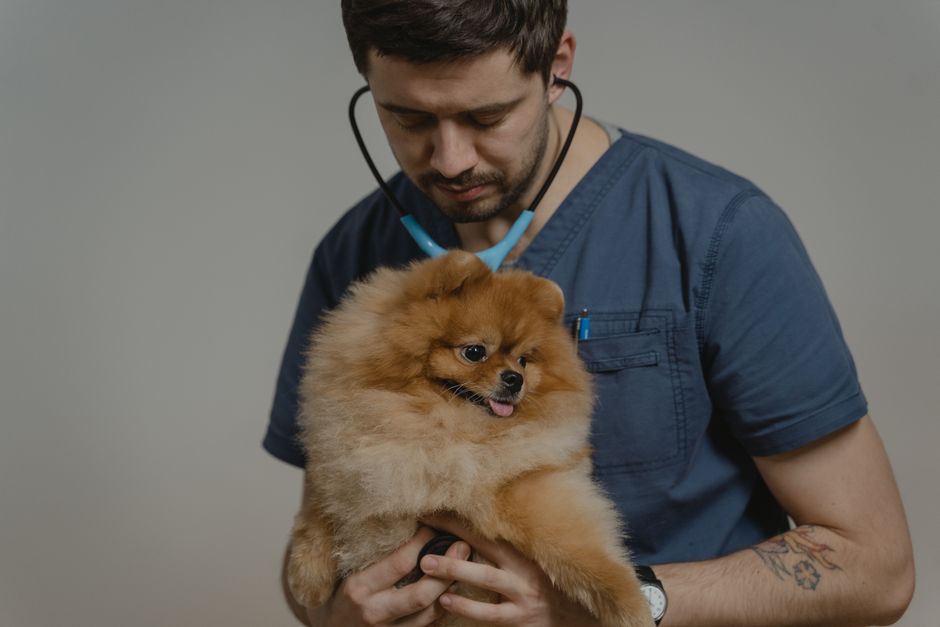
Recognizing Pet Emergencies: When to Call Your Jacksonville Vet

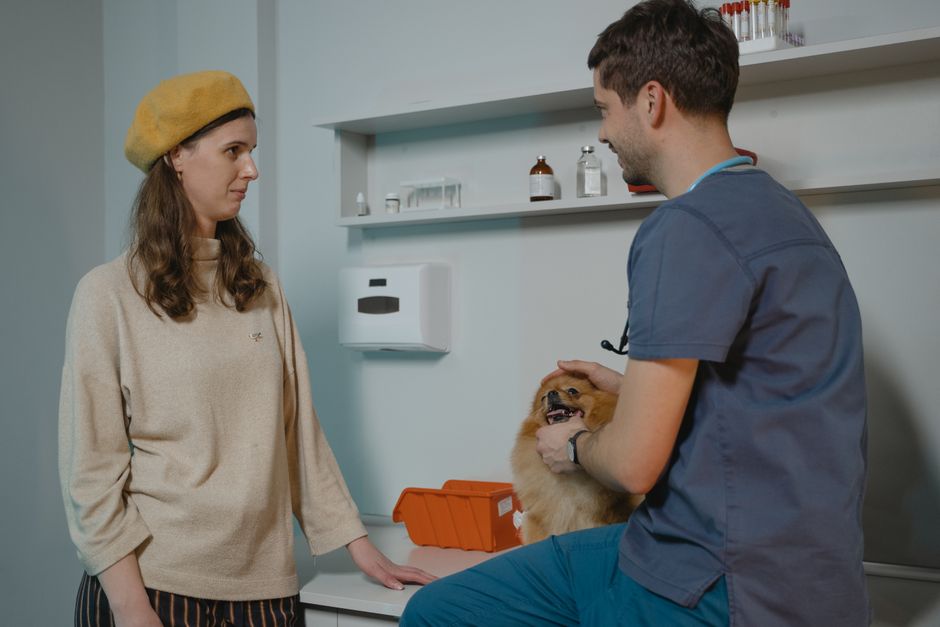
Recognizing Pet Emergencies: When to Call Your Jacksonville Vet
When your dog or cat suddenly starts acting differently or shows worrying symptoms, it is natural to feel anxious and unsure of what to do next. Knowing how to recognize a true pet emergency can make all the difference in protecting your pet’s health and well-being. At Arlington Animal Clinic, located at 5844 Fort Caroline Rd, Jacksonville, FL 32277, our team of veterinarians is committed to providing prompt, compassionate care when your pet needs it most. In this guide, we will help you understand the signs of a pet emergency, explain what might cause them, and outline the steps you should take to ensure your pet gets the right care as quickly as possible.
We will cover how to spot urgent symptoms in dogs and cats, why emergencies happen, what you can expect from emergency veterinary care, and how to prepare for unexpected health issues at home. You will also find guidance about when it is time to call your veterinarian and how to access emergency veterinary care in Jacksonville. By empowering yourself with this knowledge, you can act confidently in a crisis and help keep your pet safe.
How to Recognize a Pet Emergency
Understanding when your pet is experiencing an emergency is essential for every pet owner. Some situations are obvious, while others can be more subtle but equally serious. Being able to identify these scenarios quickly can mean the difference between a full recovery and a more complicated outcome.
Common Emergency Symptoms in Dogs and Cats
Key symptoms that may signal a pet emergency include sudden collapse, difficulty breathing, persistent vomiting or diarrhea (especially if blood is present), severe bleeding that does not stop within a few minutes, visible wounds or broken bones, and seizures. Other signs to watch for are non-responsiveness, pale gums, bloated or distended abdomen, inability to urinate or defecate, and signs of extreme pain such as constant whining, panting, or aggression.
If your dog or cat is hit by a car, involved in a fight with another animal, exposed to toxins, or suffers a fall from height, emergency care is needed even if symptoms are not immediately obvious. Pets that have ingested chocolate, grapes, medications, household cleaners, or foreign objects also require urgent attention. Sudden behavioral changes, such as disorientation, inability to stand, or uncharacteristic hiding, can be early indicators of a serious underlying problem.
Subtle Signs That Should Not Be Ignored
Not all emergencies present with dramatic symptoms. Lethargy that is severe or sudden, refusal to eat or drink for more than 24 hours, persistent coughing or gagging, and straining to urinate can all be early signs of conditions like urinary blockages, heart disease, or respiratory distress. Cats, in particular, are masters at hiding pain, so any sudden change in activity level, grooming habits, or use of the litter box should be taken seriously.
Why Pet Emergencies Happen
Understanding the causes behind these urgent situations can help you act faster and may even help prevent some emergencies in the future. Pet emergencies can arise from a variety of sources, including accidents, underlying health conditions, environmental hazards, and sudden medical events.
Common Causes of Emergencies in Jacksonville Pets
Trauma is a leading cause, often resulting from car accidents, falls, or bites. Ingesting toxic substances is another frequent reason for emergency visits; Florida’s climate allows many poisonous plants and insects to thrive, and common household items can be dangerous if consumed. Heatstroke is an ever-present risk in our area, especially during Jacksonville’s hot, humid months, as dogs and cats are prone to overheating if left outside or in unventilated spaces.
Medical emergencies can also develop due to underlying diseases. Heart conditions, urinary blockages (especially in male cats), diabetes complications, and undiagnosed infections can all cause sudden, severe symptoms. Some emergencies, such as bloat in dogs or feline urethral obstruction, can progress rapidly and become life-threatening within hours.
Environmental factors like parasites, local wildlife encounters, and seasonal allergies can also contribute to emergency scenarios. It is important to note that even indoor pets are not immune; accidents and sudden illnesses can happen at any time, regardless of how careful you are as an owner.
What to Expect from Emergency Veterinary Care
Knowing what happens during a veterinary emergency visit can help you remain calm and focused if you ever find yourself in this situation. At Arlington Animal Clinic, our veterinarians are trained to handle a wide range of urgent cases and have access to advanced diagnostics and treatment options.
Emergency Evaluation and Diagnostics
When you arrive at the clinic, your pet will be triaged based on the severity of their condition. The veterinary team may begin immediate stabilization if your pet is having trouble breathing, bleeding heavily, or in shock. Diagnostic tools such as digital radiology, bloodwork, and ultrasound are often used to quickly identify internal injuries or underlying causes. For certain injuries, digital radiology services can help evaluate fractures, dislocations, or internal bleeding.
The veterinarians will communicate their findings, discuss treatment options, and recommend the next steps. Treatments may range from wound care, intravenous fluids, and pain management to surgery or intensive monitoring. In the case of broken bones or joint injuries, specialized care is provided to ensure the best possible outcome for your pet. You can learn more about how we address injury-related emergencies through our fracture and dislocation services.
Compassionate Support and Clear Communication
Our veterinary professionals know that emergencies are stressful for both pets and owners. We aim to keep you informed throughout the process, answering your questions and providing updates on your pet’s condition. Your involvement and understanding are central to making the best decisions for your pet’s health.
Home Care and Prevention: Reducing the Risk of Pet Emergencies
While not every emergency can be avoided, there are many steps you can take at home to reduce your pet’s risk and respond effectively if something does happen.
Creating a Pet-Safe Environment
Begin by pet-proofing your home and outdoor spaces. This means keeping cleaning products, medications, and toxic foods out of reach, securing trash cans, and removing hazardous plants. Ensure windows and balconies are secure to prevent falls, and never leave your pet unattended near open water or busy streets.
During Jacksonville’s warmer months, make sure your dog or cat has access to shade, fresh water, and a cool place to rest. Heatstroke can happen quickly and is especially dangerous for brachycephalic breeds (those with short noses), senior pets, and those with chronic health conditions.
Monitoring Your Pet’s Health
Regular veterinary check-ups are vital for early detection of potential health issues. Pay attention to changes in your pet’s eating, drinking, or bathroom habits, and keep up-to-date with their vaccinations and parasite prevention. Keep a close eye on your pet’s weight, energy levels, and skin and coat condition, as these can be early indicators of illness.
It is helpful to have a basic pet first aid kit at home and to familiarize yourself with basic first aid measures, such as how to control bleeding or what to do if your pet ingests something toxic. However, remember that first aid is never a substitute for professional veterinary care. If you are ever in doubt, contacting your veterinarian is the safest choice.
When to Seek Emergency Veterinary Care
Knowing when to call the clinic is one of the most important aspects of responsible pet ownership. Some situations require immediate veterinary attention, while others may allow for a scheduled appointment.
Situations That Require Immediate Action
If your pet is having trouble breathing, is unresponsive, is bleeding heavily, is experiencing repeated seizures, or has suffered significant trauma, call your veterinarian right away. Other emergencies that cannot wait include suspected poisoning, inability to urinate or defecate, sudden collapse, and severe pain. For cats, straining in the litter box with little or no urine output is always an emergency.
If you are unsure whether your pet’s symptoms are urgent, err on the side of caution and contact your veterinary team. Even if it turns out not to be an emergency, the peace of mind is well worth it. The veterinarians at Arlington Animal Clinic are here to help you assess the situation and recommend the best next steps.
What to Do Before Arriving at the Clinic
If your pet is experiencing an emergency, call the clinic as soon as possible so the team can prepare for your arrival and offer advice for your specific situation. If your pet is bleeding, apply gentle pressure with a clean cloth. For pets having trouble breathing, keep them calm and transport them in a well-ventilated carrier. Never attempt to give human medications or induce vomiting without veterinary guidance, as this can create additional risks.
If you want more detailed information on the types of emergencies we treat and what to expect, visit our emergency care information page.
Finding a Veterinarian Near Me for Pet Emergencies
When you are searching for a "vet near me" during a pet emergency in Jacksonville, you want a clinic you can trust to provide timely, expert care. At Arlington Animal Clinic, we are dedicated to being your trusted resource for all types of veterinary emergencies, as well as routine wellness and preventive care. Our location at 5844 Fort Caroline Rd, Jacksonville, FL 32277 makes us easily accessible for pet owners throughout Jacksonville and surrounding communities.
Our veterinary team is experienced in handling a wide range of urgent medical situations, and we offer advanced diagnostics and treatments on-site. Whether your pet needs immediate attention for an injury, sudden illness, or any other concern, we are here to help guide you every step of the way.
Take Action: Protect Your Pet with Prompt Emergency Care
Emergencies can be frightening, but knowing how to recognize warning signs and take swift action can help keep your pet safe and healthy. Remember, if you ever suspect your dog or cat is experiencing a medical emergency, do not hesitate to contact the team at Arlington Animal Clinic. Our veterinarians are committed to providing compassionate, skilled care for your pet when it matters most.
If you have questions about emergency symptoms, want tips on pet safety, or need urgent care for your dog or cat, reach out to us at (904) 743-4567 or visit us at 5844 Fort Caroline Rd, Jacksonville, FL 32277. For more details on urgent care options, you can also explore our emergency veterinary care services and same-day and urgent care information.
Your pet’s health and comfort are always our top priorities. Trust Arlington Animal Clinic to be your partner in every stage of your pet’s life, from wellness and prevention to emergency care when you need it most.