Mon-Fri: 7:30am- 6pm
Saturday: 9am -2pm
Sunday: Closed

Preventive care is an important part of keeping your dog healthy and happy, adding years to their life and helping them avoid the discomfort that comes with preventable diseases. But what exactly is preventive care for dogs? In this article, we’ll dive into this topic, including what your veterinarian needs to know about your dog before providing preventive care, the preventive care process, common diseases that can be prevented with preventive care, and everyday habits to keep your dog safe—which also fall under preventive care.
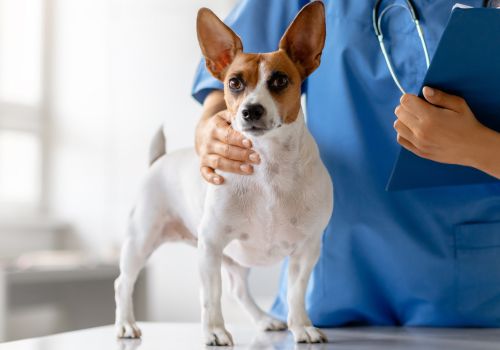
Preventive care for dogs is a set of preventive medical treatments and procedures that help identify potential health risks or illnesses early. It includes regular veterinarian check-ups, vaccinations, and diagnostic tests like bloodwork, x-rays, and ultrasounds. It also includes parasite prevention methods such as flea prevention, heartworm prevention, and tick control.
Preventive care can help keep your dog healthy by identifying any potential issues before they become more serious. It can also help you save money by helping to avoid expensive treatments for illnesses that could have been prevented.
Your veterinarian will need to know certain information about your dog’s lifestyle before making any preventive care recommendations. This includes your dog’s age, breed, overall health, and health history. Your vet will also need to know if your dog is primarily an indoor or outdoor dog, if they are regularly exposed to other animals, and if they have been spayed or neutered. The more information you can provide to your vet, the better they will be able to tailor a preventive care plan specifically for your pet.
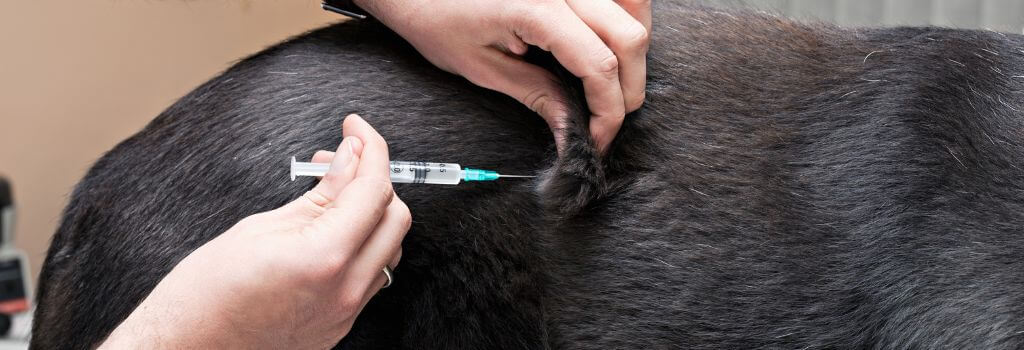
A veterinarian will typically make the following recommendations when it comes to a dog’s preventive care plan:
Insurance and wellness plans are two different things, although they can both be used to help cover the costs of veterinary care.
Insurance is designed to help cover the costs of medical treatments and procedures for your pet that are considered unexpected or unplanned. This might include things like surgeries, hospitalizations, cancer therapies, or other treatments that may not have been anticipated.
A wellness plan, on the other hand, is designed to help you cover the costs of preventive care treatments and procedures such as regular check-ups, vaccinations, dental cleanings, and parasite control medications. It’s important to note that a wellness plan does not cover any unexpected medical treatments or procedures like insurance would.
Preventive care extends to everyday tasks and routines that involve your dog to ensure they remain safe and healthy—including keeping them safe while in a car. A suitable harness or kennel should be used, proper identification should be worn by your dog, and you should always have essential supplies in your car, such as water, food, and waste bags.
In addition, never leave your dog alone in the car, even with windows cracked open for ventilation. Pets can suffer from heat stroke or other illnesses due to the rapid increase in temperature inside a parked vehicle.
Keeping your dog on a leash in public is essential for many reasons, the most important being their safety and the safety of those around them. Off-leash dogs pose a health risk through infection or canine aggression. Leash laws ensure public comfort and safety, as not everyone is comfortable around dogs due to fear or past negative experiences. Dogs on leashes prevent unexpected encounters, making public spaces more enjoyable for everyone.
Keeping the house and yard pet-safe is a crucial aspect of pet ownership. It involves controlling the environment to prevent potential hazards to pets, ensuring they are safe and secure in their surroundings. Proper pet safety requires thoroughly pet-proofing your home and yard for your pet.
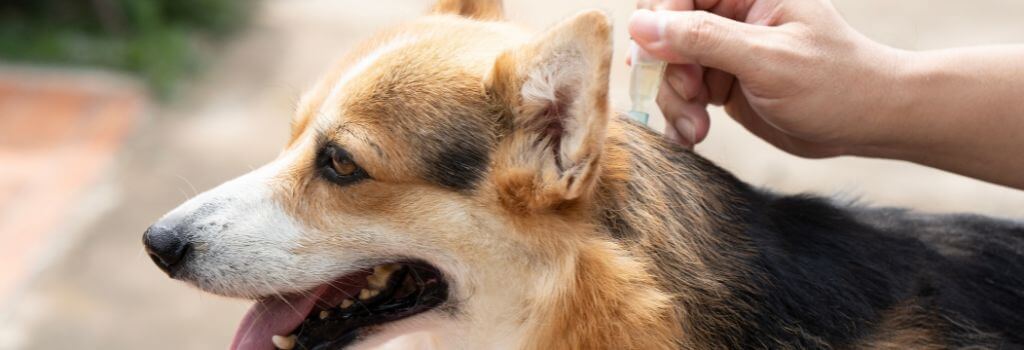
Pesticides are commonly used to control pests such as insects, rodents, and weeds. However, they can be harmful to dogs if they are exposed to them. Dogs can be exposed to pesticides through inhalation, skin absorption, or ingestion. The risk of developing health problems depends on the amount and toxicity of the pesticide the pet is exposed to.
Organophosphates (acephate and malathion), carbamate (carbaryl), pyrethrin/pyrethroids, herbicides (Roundup, Rodeo, Spectracide), rodenticides (d-CON and Tomcat baits), nematicides (Garden Safe and Ortho), molluscicides (Garden Safe, Dr. Earth, Corry’s), fungicides (BioAdvanced and Scotts), larvicides (Altoside and BioAdvanced), 2,4-Dichlorophenoxyacetic Acid (2,4-D) 4-Chloro-2-Methylphenoxypropionic Acid (MCPP), glyphosate, iron fertilizers containing insecticide/fungicide ingredients like Imidacloprid and tebuconazole can all be harmful to dogs when ingested.
To minimize the risk of harm to your pet, it is suggested to remove pets from any areas that you plan to treat with pesticides before applying or mixing the product. Also, remove pet toys, bedding, food, and water bowls from the area. Ensure all pesticides are securely stored where pets cannot access them.
The most common dog health conditions that can be prevented with a good wellness plan include obesity, skin issues, ear infections, urinary tract infections, vomiting, and preventable diseases such as parvovirus, gastric torsion, and renal failure.
Obesity is one of the most common health issues in dogs. Regular vet check-ups can detect any increases in a dog’s weight, and necessary dietary changes can be implemented promptly. Skin issues in dogs can lead to discomfort and health complications if not identified and addressed. Allergies, parasites, and skin infections can also lead to skin problems. Regular vet visits can help identify and treat these issues early. Ear infections in dogs can be painful and cause serious damage if untreated. Regular check-ups can help identify signs of infection early, leading to timely treatment. Urinary tract infections are also common in dogs and often misinterpreted as behavioral issues, but regular vet visits can help identify symptoms of UTIs early. Finally, some diseases like parvovirus, gastric torsion, or renal failure can be prevented through timely vaccinations and wellness checks.
Preventive care is essential for keeping your pet healthy and happy for as long as possible. Good wellness plans are essential in preventing many common dog health conditions by ensuring regular veterinary care, including teeth cleaning and heartworm testing/prevention. If you live in or near Jacksonville, FL, and are looking for quality pet care, come visit us at Arlington Animal Clinic where your pet is our priority. Contact us at (904) 743-4567 to set an appointment, or email us at reception@arlingtonanimal.com. Our staff would love to talk with you!