Protecting Your Pet From Fall Toxins in Jacksonville
Protecting Your Pet From Fall Toxins in Jacksonville
As the days grow shorter and autumn arrives in Jacksonville, many pet owners are excited to enjoy milder weather and festive seasonal activities with their dogs and cats. While fall can be a wonderful time to get outside with your pet, this season also brings a surprising range of hidden dangers for animals. From seasonal plants and mushrooms to popular foods and household items, fall toxins can pose serious risks to your pet’s health if you are not aware of what to avoid.
At Arlington Animal Clinic, our team of veterinarians wants to help you keep your pets safe throughout the autumn months. In this post, we will explain the most common fall toxins found in Florida, highlight which foods and plants can be dangerous to dogs and cats, and share practical tips so you can enjoy the season with peace of mind. If you ever suspect your pet has ingested something harmful, our veterinary professionals at 5844 Fort Caroline Rd, Jacksonville, FL 32277 are here to provide prompt medical attention and guidance.
Recognizing Signs of Fall Toxin Exposure in Pets
Understanding when your pet may have encountered a fall toxin is crucial for early intervention. Many autumn hazards can cause symptoms that develop quickly, while others may lead to more subtle changes in behavior or health. Key symptoms of toxin exposure include vomiting, diarrhea, loss of appetite, and drooling. You may also notice your pet appearing lethargic, excessively thirsty, or unsteady on their feet. In more severe cases, symptoms can progress to tremors, seizures, difficulty breathing, or collapse.
Some toxins cause specific reactions; for example, ingestion of certain mushrooms may lead to jaundice or yellowing of the gums, while exposure to rodent poisons might cause unusual bruising or bleeding. If your cat or dog experiences sudden gastrointestinal upset after being outside, or if you see them chewing on unknown plants or objects in the yard or during walks, it is important to monitor them closely.
Pets are naturally curious, especially young animals and those with a history of scavenging. If you know your pet tends to eat things they find outside, be particularly vigilant during fall when new seasonal hazards appear in the environment. Immediate action can make all the difference, so never wait to see if symptoms improve on their own.
Common Fall Toxins in Jacksonville: What Every Pet Owner Should Know
Jacksonville’s warm, humid climate means some fall hazards may differ from those seen in northern states, but many risks are present throughout Florida. Understanding what to watch for can help you prevent accidental poisoning.
Toxic Plants and Mushrooms
As summer transitions to fall, mushrooms often appear in yards, parks, and wooded areas. Some species, such as Amanita and certain little brown mushrooms, contain potent toxins that can be fatal to dogs and cats if ingested. Because it is difficult to identify mushrooms safely, it is best to treat all wild mushrooms as potentially dangerous and remove them from your yard as soon as possible.
Popular seasonal plants like autumn crocus, sago palm seeds, and certain lilies can also be hazardous. While sago palms are common landscaping features in Jacksonville, their seeds are extremely toxic to dogs and cats, leading to liver failure or death even in small amounts.
Fall Foods and Human Treats
Autumn brings a host of tempting foods, from Halloween candy to Thanksgiving leftovers. However, many of these treats can be harmful to pets. Chocolate, especially dark varieties, is a well-known toxin for both dogs and cats, causing symptoms ranging from vomiting to seizures and heart problems. Sugar-free candies and baked goods containing xylitol can trigger rapid insulin release in dogs, leading to life-threatening low blood sugar and liver failure.
Other foods to avoid include grapes, raisins, onions, garlic, and fatty foods such as turkey skin or drippings. These can cause kidney failure, anemia, or pancreatitis in pets. When hosting gatherings or enjoying seasonal treats, keep all human food out of your pet’s reach and remind guests not to share scraps.
Rodenticides and Insecticides
Cooler weather often drives rodents indoors, prompting increased use of rodenticides (rat and mouse poisons) around homes and garages. These products are highly toxic to pets, even in small amounts. Some rodenticides cause internal bleeding, while others affect the nervous system. Symptoms may not appear for several hours or even days, so prompt veterinary evaluation is essential if you suspect exposure.
Insecticides and ant baits are also more commonly used during the fall. While some are less toxic, others can cause drooling, tremors, or seizures if ingested. Always keep these products securely stored and monitor your pet when outdoors.
Decorative Items and Household Hazards
Many fall decorations and seasonal items can be a source of danger for pets. Glow sticks, potpourri, and holiday lights can cause gastrointestinal upset or injury if chewed. Some essential oils used in diffusers for autumn scents are toxic to cats and dogs, particularly those containing tea tree, cinnamon, or eucalyptus oils.
When decorating for Halloween or Thanksgiving, keep small objects, candles, and cords out of your pet’s reach. Supervise pets closely during gatherings to prevent accidental ingestion of decorations or food.
How Veterinary Professionals Diagnose and Treat Fall Toxin Exposure
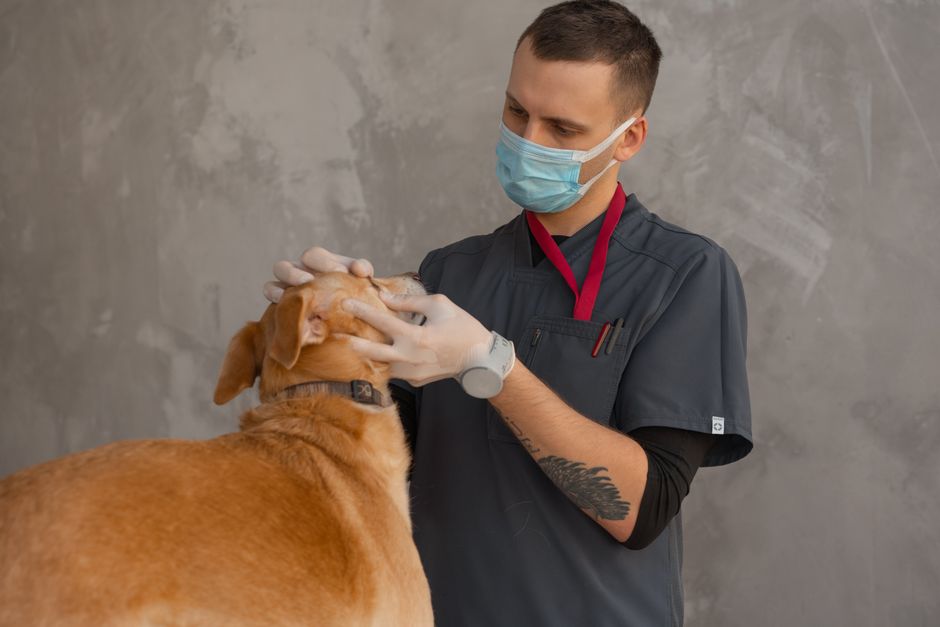
If you suspect your pet has ingested a toxin, prompt action and professional care are critical. At Arlington Animal Clinic, our veterinary team uses a combination of your pet’s history, physical examination, and advanced diagnostic tools to assess the situation. You can expect that our veterinarians will ask about what your pet may have eaten, when the exposure occurred, and any symptoms you have noticed.
Diagnostic steps may include bloodwork, urinalysis, and imaging such as digital radiology to evaluate internal organs and identify complications. If the specific toxin is known, this information can help guide treatment decisions.
Treatment approaches depend on the type of toxin and how much your pet has ingested. Immediate steps often involve inducing vomiting (if appropriate), administering activated charcoal to bind toxins in the stomach, and providing intravenous fluids to support organ function. In some cases, specific antidotes are available, while in others, supportive care such as medications for seizures, liver protectants, or oxygen therapy may be necessary.
Pets who have ingested dangerous foods or plants may require hospitalization for monitoring and intensive care. Our on-site pharmacy ensures rapid access to essential medications, and our outpatient intensive care services allow for close observation and tailored treatment plans as your pet recovers.
If you want to learn more about how our team provides emergency veterinary care for pets in Jacksonville, visit our website for additional information.
Preventing Fall Toxin Exposure: Practical Tips for Pet Owners
The best way to protect your pet from fall toxins is through awareness and prevention. Start by inspecting your yard regularly for mushrooms, sago palms, and other potentially dangerous plants. Remove these promptly, and consider fencing off areas where toxic plants are difficult to control.
During walks, keep your dog on a leash and steer them away from mushrooms, discarded food, or unknown objects. For cats, minimize unsupervised outdoor access, especially in areas where wild mushrooms or rodenticides may be present. If you use rodenticides or insecticides around your home, select pet-safe alternatives whenever possible and place them in areas completely inaccessible to your animals.
Inside the home, keep all human foods, candies, and baked goods securely stored. Remind family members and guests not to feed scraps to pets, no matter how pleading their eyes may be. When decorating for fall holidays, choose pet-safe items and avoid essential oils that are known to be toxic. Secure candles, small decorations, and cords to prevent curious pets from chewing or swallowing them.
If your pet requires a specialized diet or has a history of dietary sensitivities, our veterinary team can provide nutrition guidance and veterinary support for dogs and nutrition guidance and veterinary support for cats to ensure they receive balanced, safe meals year-round.
When to Seek Veterinary Care for Possible Toxin Exposure
Any time you suspect your dog or cat has come into contact with a potential toxin, do not wait for symptoms to worsen. Quick action can dramatically improve your pet’s chances of a full recovery. Contact your veterinarian immediately if you see your pet eating a mushroom, plant, rodenticide, or unknown substance, or if they develop sudden vomiting, diarrhea, lethargy, tremors, seizures, or difficulty breathing.
If you are uncertain whether something is toxic, it is always safer to ask. Our team at Arlington Animal Clinic is available during regular business hours to answer your questions and provide prompt medical attention. For emergencies outside of our regular hours, seek immediate care at the nearest animal emergency clinic.
For more detailed advice on emergency veterinary care, or if you need urgent guidance about a possible poisoning, our team is here to help.
For additional trustworthy information about animal toxins and safety, you can also refer to the American Veterinary Medical Association veterinary health information and resources.
Keeping Your Pet Safe This Fall: Your Local Partner in Pet Health
Jacksonville’s beautiful fall weather is ideal for spending time outdoors with your dog or relaxing at home with your cat, but the season also brings unique risks that every pet owner should know. By staying vigilant, removing hazards from your environment, and acting quickly if you suspect exposure, you can help your pet enjoy a safe and healthy autumn.
If you have any questions about fall toxins, need advice on pet nutrition, or would like to schedule a comprehensive exam, our caring veterinary professionals at Arlington Animal Clinic are ready to assist you. To book an appointment, call us at (904) 743-4567 or visit us at 5844 Fort Caroline Rd, Jacksonville, FL 32277. When searching for a vet near me, remember that our team is committed to providing thorough, compassionate care for your pets in Jacksonville and the surrounding communities.
Let us help you protect your furry companions this fall and beyond—schedule your pet’s next checkup or contact us for immediate guidance if you suspect toxin exposure. Your pet’s safety and well-being are always our top priority at Arlington Animal Clinic.