What a Cat Blood Test Can Reveal About Your Pet’s Health

What a Cat Blood Test Can Reveal About Your Pet’s Health
If you have ever wondered why your veterinarian at Arlington Animal Clinic in Jacksonville might recommend a cat blood test, you are not alone. Many pet owners are curious about what these tests actually show, when they are necessary, and how they can make a difference in their cat’s health and longevity. Understanding the purpose and value of cat blood tests can help you feel more confident and proactive in caring for your feline companion. In this blog, we will explore what a cat blood test can reveal about your pet’s health, which signs or routine checkups might call for one, and how early detection can help keep your cat happier and healthier for years to come. You will also learn what to expect during your visit at Arlington Animal Clinic, as well as how our experienced veterinary team supports cats across Jacksonville and surrounding communities. For more detailed information about veterinary diagnostic testing for cats, you can also visit our page on cat lab tests.
Recognizing When Your Cat May Need a Blood Test
As a pet owner, it is normal to ask when a cat blood test might be necessary or what signs should prompt you to consider one. While it is common for veterinarians to recommend blood tests during annual wellness examinations, there are specific situations and symptoms that make these tests especially important. If your cat has been acting more lethargic than usual, has changes in appetite, unexplained weight loss or gain, vomiting, diarrhea, increased thirst, or changes in urination, these could all be reasons for a cat blood test. Additionally, blood tests are often recommended before surgery or anesthesia, during senior cat visits, or when monitoring ongoing health conditions such as kidney disease, diabetes, or hyperthyroidism.
Even if your cat seems healthy, routine blood work can uncover early changes that are not yet causing visible symptoms. Cats are masters at hiding discomfort, so by the time you notice something is wrong, a disease may already be progressing. Catching these changes early through a simple blood test allows your veterinarian to intervene sooner, improving the chances for a positive outcome and a longer, healthier life for your cat.
What Does a Cat Blood Test Check For?
A cat blood test is a powerful tool that gives veterinarians a detailed look inside your cat’s body. There are several types of blood tests that may be performed, often grouped together as a "panel." The most common components include a complete blood count (CBC), a blood chemistry panel, and sometimes specific tests for conditions like feline leukemia or thyroid disease.
The complete blood count measures red and white blood cells, as well as platelets. This helps identify anemia, infections, inflammation, and even some cancers. The blood chemistry panel provides information about organ function, including the kidneys, liver, pancreas, and electrolytes. For example, elevated kidney values may point to early kidney disease, while certain liver enzymes can signal liver problems or metabolic issues. Blood glucose levels are checked to monitor for diabetes, and thyroid hormone measurements can detect hyperthyroidism, which is especially common in older cats.
In certain cases, blood tests can also check for exposure to infectious diseases, evaluate clotting ability, and monitor medication levels. By piecing together all these results, your veterinary team at Arlington Animal Clinic can create a comprehensive picture of your cat’s health and catch problems long before they become emergencies.
Why Do Cats Need Blood Tests for Routine Care and Before Surgery?
Bloodwork is not only for sick cats; it has a vital role in preventive care. During wellness visits, especially for senior cats, a cat blood test provides a baseline that can be compared over time. This makes it easier for your veterinarian to spot subtle changes, such as declining kidney function or early signs of diabetes, even if your cat is not showing outward symptoms. Early intervention can significantly delay the progression of chronic diseases and improve your cat's quality of life.
Before any surgery or dental procedure that requires anesthesia, a blood test is recommended to ensure your cat’s organs are functioning well enough to safely undergo the procedure. Anesthetics are processed by the liver and kidneys, so checking these values helps reduce the risk of complications. If any abnormalities are detected, your veterinarian can adjust the anesthesia plan, postpone the procedure, or recommend further diagnostics to safeguard your cat’s health.
Common Conditions Detected with Cat Blood Tests
A variety of diseases and health issues can be detected or monitored with cat blood tests. Chronic kidney disease is one of the most frequent findings, especially in older cats. Bloodwork can reveal increased levels of waste products, such as creatinine and blood urea nitrogen, before your cat shows any symptoms. Hyperthyroidism, another common condition in senior cats, can be diagnosed with a simple thyroid hormone test. Diabetes mellitus is identified by elevated blood sugar levels, often accompanied by symptoms such as increased thirst and urination.
Other conditions that may be discovered include liver disease, infections, anemia, and certain cancers. For cats with ongoing medical conditions, periodic blood tests allow your veterinarian to monitor the effectiveness of treatment and adjust medications as needed. If your cat is receiving medication that could affect organ function, regular bloodwork ensures that any side effects are detected early.
You can learn more about proactive health care and prevention for cats by visiting our cat preventive care page.
What to Expect During Your Cat’s Blood Test at Arlington Animal Clinic
Many pet owners worry about how their cat will handle a blood draw or what the process might involve. At Arlington Animal Clinic, our veterinary professionals are skilled at making the experience as stress-free as possible for both you and your cat. Most blood samples are collected from a vein in the front leg or neck; the process is quick, and your cat may only feel a brief pinch. For anxious cats, gentle restraint and soothing techniques are used to minimize stress.
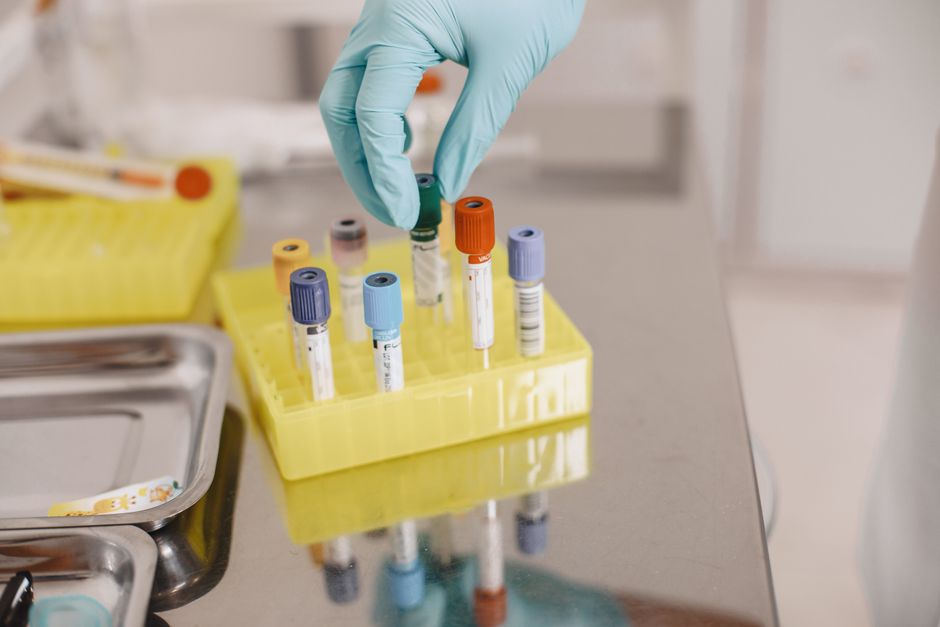
Once the blood is collected, it is processed in our on-site laboratory, allowing us to deliver results promptly for many routine panels. Our veterinary team will walk you through the results and explain what they mean for your cat’s health. If any abnormalities are found, we will discuss next steps, which may involve further testing, dietary changes, medication, or additional monitoring.
Preventive Care: Why Early Detection Matters
Taking a proactive approach to your cat’s health is the best way to ensure a long, happy life for your feline friend. Regular blood tests, combined with wellness exams, help us catch problems at their earliest, most treatable stages. Early detection can mean the difference between managing a condition with simple changes at home and facing a serious illness that requires intensive intervention.
At home, you can support your cat’s health by monitoring for any changes in behavior, appetite, water intake, or litter box habits, and by providing a balanced diet and maintaining regular veterinary checkups. If your cat is a senior or has a chronic health condition, your veterinarian may recommend more frequent blood testing to keep a close watch on their progress.
When to Schedule a Cat Blood Test
If your cat is due for an annual checkup, is entering their senior years, or has developed any concerning symptoms, it is a good time to discuss bloodwork with your veterinarian. Warning signs that should prompt a call to Arlington Animal Clinic include persistent vomiting or diarrhea, unexplained weight loss, changes in thirst or urination, sudden lethargy, or difficulty breathing. Additionally, if your cat is scheduled for surgery or is taking long-term medications, a blood test is an important safety measure.
Our team recommends that most adult cats have bloodwork at least once a year, with senior cats or those with chronic conditions needing more frequent monitoring. For urgent questions or if you are unsure whether your cat needs a blood test, our veterinary team is always happy to provide guidance and answer your concerns.
The Role of Cat Blood Tests in Senior Cat Care
As your cat ages, their risk for certain diseases increases, and their ability to compensate for declining organ function decreases. Senior cats often appear healthy on the outside, even as subtle changes are occurring internally. That is why regular bloodwork is a cornerstone of senior cat care at Arlington Animal Clinic. By keeping a close eye on kidney values, thyroid levels, and other key markers, we can tailor your cat’s care plan to their unique needs and make adjustments before more serious problems develop.
Why Choose Arlington Animal Clinic for Your Cat’s Blood Test in Jacksonville?
Choosing a veterinary clinic that offers comprehensive diagnostic services and a compassionate approach is essential for your cat’s health. At Arlington Animal Clinic, our team of veterinarians brings years of experience and a commitment to using advanced diagnostic tools, including digital lab equipment, to provide the best possible care for your cat. Conveniently located at 5844 Fort Caroline Rd, Jacksonville, FL 32277, we proudly serve Jacksonville and the surrounding communities. Whether your cat needs a routine checkup, preventive care, or advanced diagnostics, you can count on us for thorough, compassionate service every step of the way.
Take the Next Step for Your Cat’s Health
A cat blood test is a simple, effective way to catch health problems early and ensure your feline companion enjoys the best quality of life possible. If you are searching for a "vet near me" who prioritizes preventive care and comprehensive diagnostics, look no further than Arlington Animal Clinic. To schedule a cat blood test or discuss any concerns about your cat’s health, call us at (904) 743-4567 or stop by our convenient Jacksonville location. Our veterinary professionals are here to answer your questions and provide tailored care for every stage of your cat’s life.
For more resources and educational guides to support your journey as a pet owner, explore our Client Education Library. Your cat’s well-being is our top priority, and we look forward to being your trusted partner in lifelong feline health.