How an Animal Hospital Handles Pet Emergencies

How an Animal Hospital Handles Pet Emergencies
When an unexpected crisis strikes, every second counts for your dog or cat. As a devoted pet owner, you want to know your animal hospital is ready to provide immediate, compassionate care when your companion needs it most. At Arlington Animal Clinic, located at 5844 Fort Caroline Rd, Jacksonville, FL 32277, our veterinary team understands the worry and urgency that come with pet emergencies. Whether your pet is suddenly injured, has trouble breathing, or is facing a serious illness, we are here to support you with prompt diagnostics, advanced treatments, and a reassuring touch. In this guide, we’ll help you recognize common pet emergencies, explain how an animal hospital manages urgent cases, and outline what you can expect when you trust your pet’s care to our Jacksonville team. By understanding what to do and where to turn, you’ll be better equipped to protect your pet’s health and peace of mind.
Recognizing a Pet Emergency: When to Contact Your Animal Hospital
Emergencies can happen at any time, and knowing the warning signs is essential for every pet owner. Some symptoms call for immediate veterinary attention, while others may indicate a problem that needs prompt evaluation to prevent it from becoming life-threatening. Common signs that your dog or cat may be experiencing a medical emergency include sudden collapse, difficulty breathing, persistent vomiting or diarrhea (especially with blood), seizures, severe pain, bloated or distended abdomen, trauma such as being hit by a car or falling from a height, and exposure to toxins. Additional red flags are pale gums, inability to urinate, excessive bleeding, or changes in consciousness. If you notice any of these symptoms, your pet needs urgent care and should be seen by our veterinarians as soon as possible.
Sometimes, the signs are less obvious but still point toward a brewing emergency. Subtle symptoms such as ongoing lethargy, unexplained limping, trouble eating or drinking, or hiding can signal something serious, especially if your pet usually has a lively demeanor. Trust your instincts; if your pet seems “off” or you feel something is wrong, it’s always better to reach out for professional advice than to wait and hope the issue resolves on its own.
How to Respond When Your Pet Shows Emergency Symptoms
In a stressful situation, it’s natural to feel overwhelmed. The first step is to remain as calm as possible, as your pet senses your emotions and can become more anxious if you panic. Quickly assess the situation: is your pet breathing? Is there visible bleeding? Are they responsive? If it is safe to do so, move your pet to a secure, well-ventilated area and keep them warm and comfortable. Avoid giving any medications or food unless instructed by a veterinarian. Call your animal hospital immediately to describe what has happened and receive guidance on the next steps. For more information about what to do in an emergency, visit our emergency veterinary care page.
Common Causes of Pet Emergencies
Understanding why emergencies happen can help you better safeguard your pet at home. Some of the most frequent causes of urgent visits to the animal hospital include accidental trauma, such as being hit by a car, falls, or animal fights. Toxin exposure is another leading cause; dogs and cats are often drawn to substances like chocolate, household cleaners, certain plants, and medications that can be dangerous if ingested. Heatstroke is a significant concern in Jacksonville’s warm climate, particularly during the summer months when pets can overheat quickly.
Other emergencies arise from underlying medical conditions that suddenly worsen. Heart disease, diabetes, kidney failure, and certain cancers can all lead to acute crises that require immediate intervention. Blockages in the digestive or urinary tract, especially in male cats, are also time-sensitive situations that demand urgent veterinary care. Additionally, allergic reactions to insect bites, foods, or medications can develop rapidly and become life-threatening without swift treatment.
Seasonal Risks in Jacksonville and Surrounding Communities
Living in Jacksonville brings specific risks due to the region’s climate and environment. Heat and humidity can increase the risk of heatstroke, while mosquitoes and other parasites are prevalent, raising the danger of heartworm disease and other vector-borne illnesses. Local wildlife and plants may also expose your pet to hazards not found in other parts of the country. By being aware of these regional factors and maintaining regular preventive care, you can reduce the likelihood of facing an emergency.
How an Animal Hospital Handles Pet Emergencies
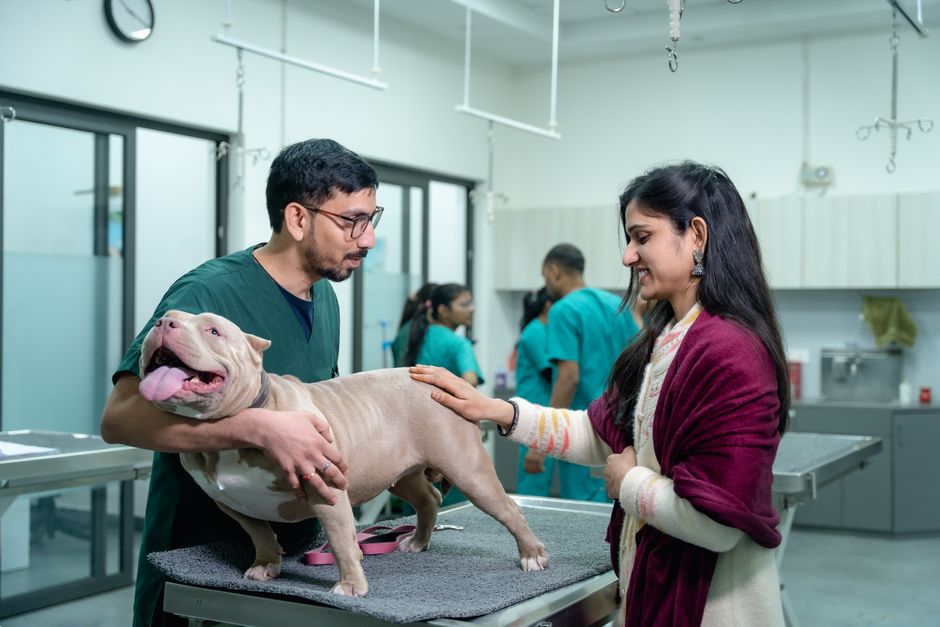
When your pet arrives at Arlington Animal Clinic during an emergency, our veterinary team moves quickly to assess the situation and begin lifesaving interventions. The process starts with triage, which means evaluating your pet’s condition to determine the severity and prioritize care. Pets with life-threatening issues, such as respiratory distress or uncontrolled bleeding, receive immediate attention, while less critical cases are stabilized and closely monitored.
Our facility is equipped with on-site laboratory services, digital radiology, ultrasound, and a pharmacy to ensure rapid diagnostics and access to essential treatments. For injuries such as fractures or dislocations, our veterinarians can provide advanced pain management, surgical repair, and ongoing monitoring. If your pet has ingested a toxin or is suffering from an internal emergency, our medical team may recommend blood tests, imaging, and supportive therapy such as intravenous fluids, oxygen, or medications tailored to your pet’s specific needs.
We understand that emergencies are stressful, and our goal is to keep you informed and involved throughout your pet’s care. You will receive regular updates, explanations of recommended diagnostics and treatments, and compassionate support as decisions are made. To learn more about the types of emergencies we manage and the services available, visit our emergency care information page.
Advanced Diagnostics and Emergency Treatments
Quick access to advanced diagnostics is essential in emergency situations. Our digital radiology allows for rapid assessment of injuries or internal problems, while ultrasound can help identify issues such as internal bleeding, organ abnormalities, or blockages. For situations involving cats and dogs with sudden lameness or trauma, our team can provide diagnostic imaging services for cats and diagnostic imaging for dogs, ensuring a thorough evaluation. Emergency treatments may include wound care, fracture stabilization, emergency surgery, anti-seizure medications, or intensive monitoring, depending on your pet’s individual situation.
What to Expect During an Emergency Visit
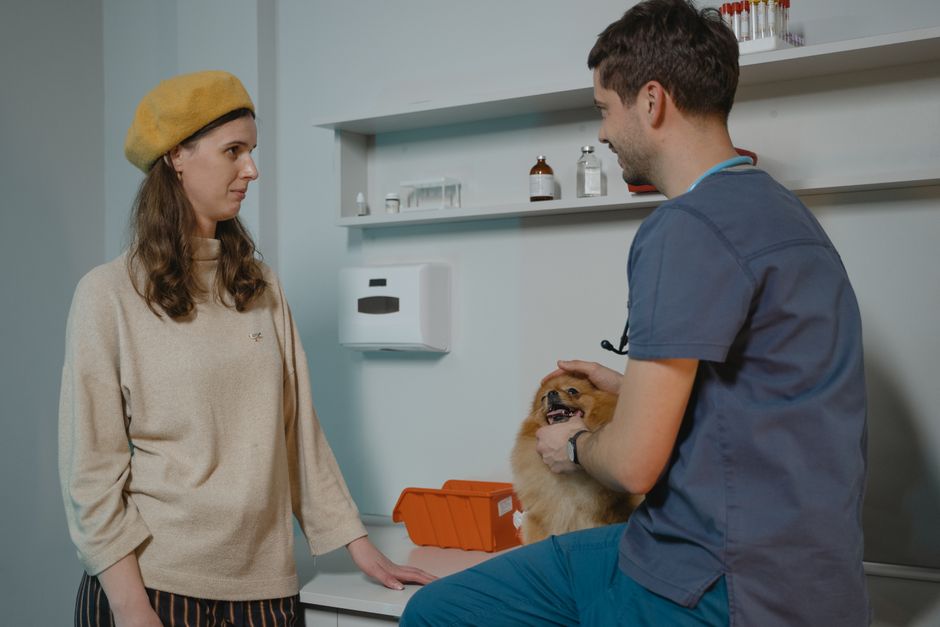
Arriving at the animal hospital with a sick or injured pet can be overwhelming, but knowing what to expect can ease some of the anxiety. When you bring your dog or cat to Arlington Animal Clinic for an emergency, you will be greeted by our veterinary professionals who will quickly assess your pet’s vital signs and ask about their symptoms and history. Triage helps our team prioritize the most urgent cases, and you may be asked to wait briefly if another pet is in critical condition.
Once your pet is stable, our veterinarians will recommend appropriate diagnostics to determine the cause of the emergency. This may involve bloodwork, x-rays, or ultrasound, depending on the situation. After gathering all the necessary information, we will discuss treatment options with you, including expected outcomes, costs, and aftercare instructions. Our goal is to provide clear communication and compassionate support at every step, so you can make informed decisions about your pet’s health.
Preventing Pet Emergencies at Home
While not all emergencies can be avoided, many can be prevented through proactive care and environmental awareness. Keeping your home free of toxic plants, chemicals, and foods that are harmful to pets is one of the simplest ways to reduce risk. Secure trash cans, medications, and household cleaners in areas your pet cannot access. Supervise your dog or cat during outdoor activities, and ensure your yard or walking routes are free from hazards like sharp objects or wildlife.
Regular veterinary visits for wellness exams, vaccinations, and preventive care are crucial in catching health issues before they become emergencies. Maintaining year-round parasite prevention is especially important in Florida’s warm climate, as fleas, ticks, and mosquitoes are active much of the year. Watch for seasonal risks, such as heatstroke during the summer or increased parasite activity in spring and fall. If your pet has a chronic condition, follow your veterinarian’s management plan closely and keep emergency instructions handy.
When to Seek Veterinary Care for Your Pet
Deciding when to seek professional help can be challenging, but it’s always better to err on the side of caution. Any sudden change in breathing, consciousness, ability to walk, or signs of pain should prompt an immediate call to your animal hospital. Persistent vomiting or diarrhea, especially if accompanied by blood, is a sign that your dog or cat needs urgent evaluation. If you suspect your pet has ingested a toxin or is showing neurological symptoms such as seizures, do not wait—bring them in as soon as possible.
If you’re unsure whether your pet’s symptoms are an emergency, contact Arlington Animal Clinic for guidance. Our experienced veterinary professionals are here to answer your questions and help determine if your pet needs to be seen right away. When searching for a veterinarian near me, it’s important to choose a clinic that offers a broad range of emergency and urgent care services, so your pet receives comprehensive support no matter what the situation.
Supporting Your Pet Through Emergencies: Our Commitment to Jacksonville Pet Owners
At Arlington Animal Clinic, we are dedicated to providing exceptional care for your pet when emergencies arise. Our animal hospital in Jacksonville is equipped to handle a wide variety of urgent situations, ensuring your dog or cat receives prompt attention and personalized treatment. From advanced diagnostics to compassionate support, our veterinary team is here to guide you through every step of the process.
If you ever find yourself facing a pet emergency, don’t hesitate to reach out to us. Schedule an appointment or call (904) 743-4567, and let our veterinarians provide the care and reassurance your pet deserves. You can also explore our same-day and urgent care services for more information on how we support Jacksonville and surrounding communities in critical moments.
When your pet’s health is at stake, trust Arlington Animal Clinic to be your reliable animal hospital. Your pet’s well-being is our highest priority—let us partner with you to keep them safe, healthy, and happy for years to come.