Springtime Skin Allergies: Help Your Pet in Jacksonville


Springtime Skin Allergies: Help Your Pet in Jacksonville
As spring arrives in Jacksonville, many pet owners look forward to sunny days and outdoor adventures with their dogs and cats. However, if your pet starts scratching more than usual or develops red, irritated skin, you are not alone. Seasonal skin allergies are a common concern for pets living in Florida, especially as pollen counts rise and environmental allergens become more prevalent. At Arlington Animal Clinic, located at 5844 Fort Caroline Rd, Jacksonville, FL 32277, we understand how distressing it can be to see your pet uncomfortable. In this blog, we will explore the signs of springtime skin allergies in dogs and cats, discuss why these issues are so common in our area, review how our veterinary team can help, and provide practical tips to keep your pet feeling their best this season. Whether you are new to seasonal allergy problems or have a pet with a history of itchy skin, our goal is to guide you through understanding, managing, and preventing spring allergies so your furry companion can enjoy the season comfortably.
Recognizing Springtime Skin Allergies in Dogs and Cats
If you notice your dog or cat scratching, licking, or chewing at their skin more frequently during spring, it may be a sign of seasonal allergies. Key symptoms include constant itching, red or inflamed skin, hair loss in certain areas, and the appearance of scabs or hot spots. You might also observe your pet rubbing their face on furniture or the floor, shaking their head, or developing ear infections more frequently. In some cases, pets will develop watery eyes or sneeze more often, which can be mistaken for other health issues. For cats, excessive grooming or bald patches, especially on the belly or legs, can signal underlying skin irritation.
These signs often become more noticeable after your pet spends time outdoors, such as following a walk in the park or playtime in the backyard. The onset of symptoms in spring is a strong clue that environmental allergens are to blame, yet it is important not to assume all itching is a result of allergies. Underlying infections, parasites, or other medical conditions can cause similar signs. If you see persistent scratching, redness, sores, or any change in your pet’s skin or coat, it is a good idea to schedule an appointment with our veterinary team. Early intervention can help prevent mild irritation from developing into more serious infections or chronic skin problems.
Why Does Jacksonville’s Spring Trigger Pet Skin Allergies?
Jacksonville’s warm, humid climate creates the perfect environment for pollen, mold spores, grasses, and weeds to thrive, especially during springtime. When trees and plants release pollen, these tiny particles can settle on your pet’s fur and skin, triggering an allergic response in sensitive animals. Additionally, increased humidity can encourage the growth of molds and dust mites, both of which are common environmental allergens that affect dogs and cats.
Many pets in Jacksonville and surrounding communities are genetically prone to developing allergies, a condition known as atopic dermatitis. This means their immune system overreacts to harmless substances in the environment, leading to inflammation and discomfort. Breed, age, and even lifestyle play a role; for example, pets that spend more time outside are more likely to come into contact with allergens. Some dogs and cats may also have food sensitivities that contribute to skin issues, making it important to work closely with your veterinarian for an accurate diagnosis.
In addition to pollen and mold, spring also brings an uptick in fleas and other external parasites. Flea allergy dermatitis is a particularly common cause of itching in Florida pets, as even a single flea bite can set off an intense allergic reaction. For this reason, our veterinary professionals often recommend year-round flea and tick prevention, especially during the peak spring and summer months. To learn more about managing parasites that can worsen allergy symptoms, you can explore our dog flea and tick prevention and treatment or cat flea and tick prevention and treatment services.
How Arlington Animal Clinic Diagnoses and Treats Pet Skin Allergies
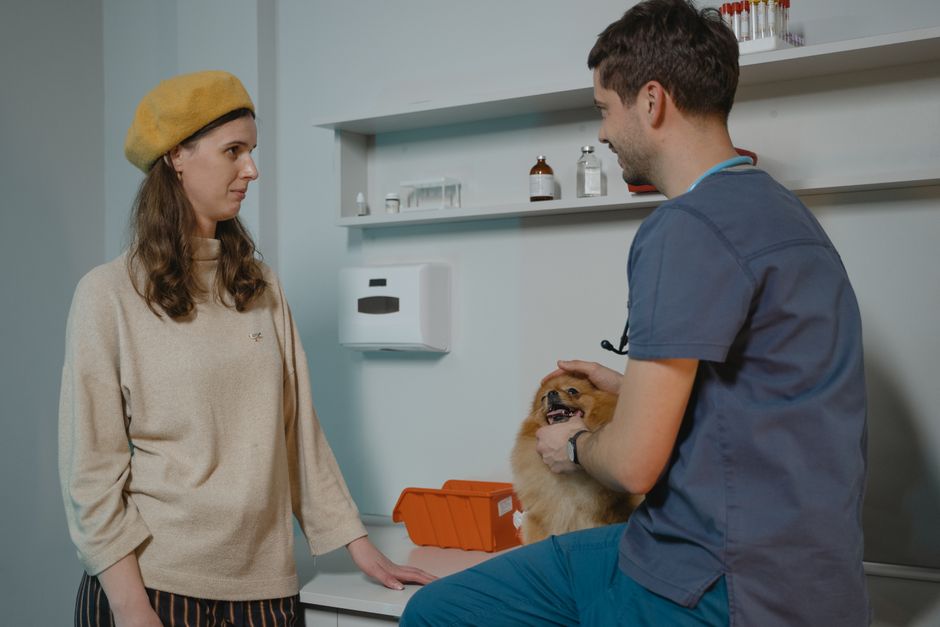
When you bring your pet to Arlington Animal Clinic for skin allergy concerns, our veterinarians begin with a thorough examination and a detailed discussion of your pet’s history. We will ask about your pet’s symptoms, any recent changes in their environment, diet, or grooming routine, and whether the problem seems seasonal or year-round. Our goal is to rule out other causes of itching, such as skin infections, parasites, or hormonal imbalances, before confirming a diagnosis of allergies.
Diagnostic approaches may include skin scrapings or cytology to check for mites, bacteria, or yeast, as well as allergy testing to pinpoint specific environmental triggers. We offer comprehensive allergy testing services for pets in Jacksonville, which can provide valuable insights into what substances are causing your pet’s symptoms.
Treatment strategies depend on the severity of your pet’s allergies and may involve a combination of therapies. Common options include medicated baths to soothe inflamed skin, prescription shampoos, topical ointments, and oral or injectable medications to reduce itching and inflammation. Our veterinary team may recommend antihistamines, corticosteroids, or newer therapies such as immunotherapy, which works by gradually desensitizing your pet’s immune system to specific allergens. For pets with secondary skin infections, antibiotics or antifungal medications may be necessary. Regular follow-up visits help us monitor your pet’s progress and adjust treatment as needed.
In cases where allergies are complicated by ongoing skin problems, our clinic also provides advanced veterinary dermatology services for pet skin issues. These services are especially helpful for pets whose symptoms do not improve with basic treatments, or for those with chronic, recurring skin conditions. For cats, we offer specialized cat dermatology services for skin and allergy conditions to address their unique needs.
Home Care and Prevention: Helping Your Pet Stay Comfortable This Spring
In addition to professional veterinary care, there are several steps you can take at home to help manage your pet’s springtime skin allergies. Regularly bathing your dog with a gentle, veterinarian-recommended shampoo can help remove pollen and allergens from their coat. Wiping your pet’s paws and fur with a damp cloth after walks or outdoor play can also reduce their exposure to environmental triggers. For cats, frequent brushing can help remove loose hair and allergens that may become trapped in their fur.
Keeping your home clean is another important part of allergy management. Vacuuming carpets and upholstery frequently, washing your pet’s bedding in hot water, and using air purifiers can help minimize indoor allergens such as dust, mold, and pollen. If your pet has food sensitivities that contribute to their skin problems, our veterinarians can guide you through diet changes and safe food trials.
Year-round flea prevention is critical in Jacksonville’s climate, as flea bites are a leading cause of allergic skin disease. Ensuring your pet is on a veterinarian-recommended flea and tick prevention program can dramatically reduce the risk of flare-ups. If you are unsure which product is best for your pet, our team is happy to offer personalized recommendations during your visit.
Finally, monitoring your pet’s skin for early signs of irritation, such as redness, bumps, or hair loss, allows you to catch problems before they escalate. If you notice any concerning changes, do not wait for symptoms to worsen; prompt action can make a significant difference in your pet’s comfort and recovery.
When to Schedule a Veterinary Visit for Pet Skin Allergies
While mild seasonal itching can sometimes be managed at home, there are situations when professional veterinary care is essential. You should schedule an appointment if your pet’s itching is constant or severe, if you notice open sores or areas of raw skin, if hair loss is spreading, or if your pet seems to be in pain. Additional warning signs include frequent ear infections, foul odor from the skin, changes in appetite or behavior, or lack of response to over-the-counter treatments.
Allergies can quickly lead to secondary bacterial or yeast infections that require prescription medications. In some pets, untreated allergies may also result in chronic skin changes that are more difficult to treat over time. Our veterinary professionals at Arlington Animal Clinic are equipped with diagnostic tools and treatment options tailored to your pet’s specific needs. If you are searching for a trustworthy "vet near me" to address springtime skin issues, our clinic in Jacksonville is dedicated to providing compassionate, comprehensive care.
Support for Your Pet’s Allergies at Arlington Animal Clinic
Spring can be a challenging season for pets with sensitive skin, but with the right support, your dog or cat can enjoy the warmer months with minimal discomfort. At Arlington Animal Clinic, our team of veterinarians is committed to helping pets in Jacksonville and surrounding communities find relief from seasonal allergies. From advanced allergy testing services for pets in Jacksonville to individualized veterinary dermatology services for pet skin issues, we offer a range of solutions designed to address your pet’s unique needs.
If your pet is showing signs of springtime skin irritation or you are concerned about allergies, we encourage you to schedule an appointment with our veterinary team. You can reach us at (904) 743-4567 or visit our convenient location at 5844 Fort Caroline Rd, Jacksonville, FL 32277. By partnering with a veterinarian near you, you can take proactive steps to manage your pet’s allergies and ensure a happy, healthy spring for your furry family member.
For additional information on preventing and treating flea-related allergies, be sure to read about our dog flea and tick prevention and treatment and cat flea and tick prevention and treatment services.
This blog is intended for informational purposes only and should not replace professional veterinary advice. If your pet is experiencing severe symptoms or you have concerns about their health, please contact our veterinary clinic for guidance.