Spring Parasite Prevention for Pets in Jacksonville: What Owners Need to Know


Spring Parasite Prevention for Pets in Jacksonville: What Owners Need to Know
As spring arrives in Jacksonville and the days grow warmer and wetter, many pet owners begin to worry about the return of fleas, ticks, and heartworms. These pesky parasites thrive in our mild, rainy March weather, making spring the perfect time to review your pet’s parasite prevention plan. At Arlington Animal Clinic, located at 5844 Fort Caroline Rd, Jacksonville, FL 32277, our team of veterinarians is dedicated to helping families in Jacksonville and surrounding communities protect their pets from these seasonal threats. In this blog, we’ll cover the most common springtime parasites in our area, what signs to watch for in your pets, how these parasites can affect your pet’s health, and the steps you can take to keep your furry companions safe and comfortable all season long. We’ll also explain how our veterinary professionals at Arlington Animal Clinic can support you with personalized prevention and treatment options, so you can enjoy springtime adventures without worry.
Recognizing the Signs: When Is Parasite Prevention Needed?
Spring in Jacksonville means an uptick in the activity of parasites like fleas, ticks, and mosquitoes, all of which can pose serious risks to your pets. Knowing what to watch for can make all the difference in catching problems early. Fleas are notorious for causing persistent scratching, biting at the skin, hair loss (especially around the base of the tail), and even visible flea dirt on your pet’s coat. Ticks may be harder to spot, as they often hide beneath the fur, but signs include small lumps on the skin, redness, or your pet shaking their head more than usual if a tick has attached near the ears.
Heartworms, transmitted by mosquitoes, can be especially concerning, since early infections often show no outward signs. As the disease progresses, dogs may develop a persistent cough, fatigue after moderate activity, decreased appetite, and weight loss. Cats, meanwhile, can show vague symptoms such as coughing, vomiting, or labored breathing. In both cases, the onset of these symptoms often means the disease is already advanced, underscoring the importance of year-round prevention.
If you notice your pet scratching more than usual, finding small bugs or dark specks in their fur, or if your dog seems unusually tired after playtime, it may be time to consider that parasites could be the cause. Quick action and preventive care can prevent small issues from becoming major health concerns.
The Jacksonville Climate: Why Parasites Thrive in Spring
Jacksonville’s climate plays a big role in why parasites are such a concern once March arrives. With temperatures rising and more frequent rain, parasites like fleas and ticks become increasingly active. Fleas thrive in humid environments, with eggs and larvae hiding in grass, soil, and even inside your home. Ticks are commonly found in wooded areas, tall grasses, and even neighborhood parks—places where you might take your dog for a walk on a beautiful spring day.
Mosquitoes, the carriers of heartworm larvae, begin breeding rapidly as standing water collects in yards, gutters, and parks throughout the city. Even a small amount of water can become a breeding ground, increasing the risk to both dogs and cats. Jacksonville’s subtropical weather means the risk of parasite exposure never fully disappears, but spring marks a significant increase in parasite populations and activity.
It’s important to remember that, even if your pet spends most of their time indoors, fleas can hitch a ride on your shoes, and mosquitoes can easily slip through a cracked window or open door. The combination of environmental factors in our city means that comprehensive parasite prevention is essential for every pet, not just those who spend time outside.
Professional Treatment and Prevention: What to Expect at Arlington Animal Clinic
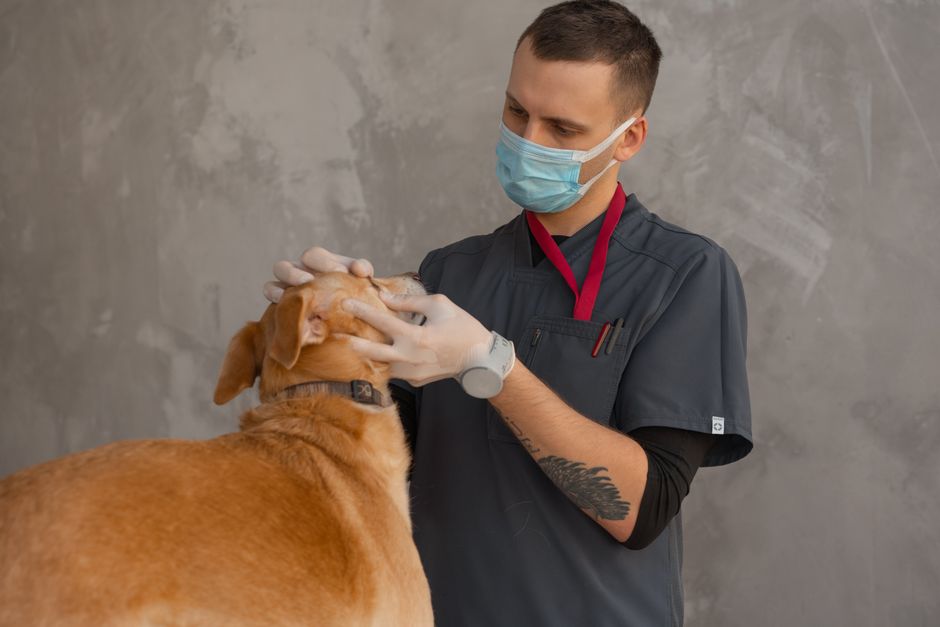
When it comes to protecting your pet from springtime parasites, prevention is always more effective—and less stressful—than treating an active infestation or disease. At Arlington Animal Clinic, we offer a comprehensive approach tailored to your pet’s individual needs and lifestyle. During your visit, our veterinary professionals will perform a full physical examination, discuss your pet’s daily routine and risk factors, and recommend a customized prevention plan. This often includes monthly oral or topical medications for flea and tick prevention, as well as heartworm preventives that protect against life-threatening infections.
For dogs, we provide dog flea and tick prevention services and dog heartworm prevention and treatment, using the most effective and safest products available. For cats, our options include cat fleas and ticks prevention services in Jacksonville and regular deworming to prevent internal parasites. Our on-site pharmacy makes it easy to pick up all your pet’s medications during your appointment, and if an infestation is found, we can provide immediate treatment and follow-up care.
If your pet is already experiencing signs of a parasite problem, our veterinary team can diagnose the issue quickly using in-house lab tests and digital imaging. We are equipped to handle both routine preventive care and more complex cases, including outpatient intensive care for severe infestations or complications. With our commitment to ongoing education and state-of-the-art technology, you can trust that your pet is receiving the best possible care and protection.
Home Care and Prevention: Steps Pet Owners Can Take
While professional veterinary care is essential, there are many practical steps you can take at home to help protect your pet from parasites this spring. Consistently administering your veterinarian-recommended preventive medications every month is the foundation of good parasite control. In addition, regular grooming and checking your pet’s fur for signs of fleas or ticks can help you catch issues early. Pay attention to areas like behind the ears, under the collar, and between the toes, where ticks especially like to hide.
Keeping your yard tidy by mowing the lawn, removing piles of leaves or debris, and eliminating standing water will reduce the local population of ticks, fleas, and mosquitoes. Washing your pet’s bedding frequently and vacuuming carpets and furniture can help control flea eggs and larvae in the home environment. If you have multiple pets, ensure all are on prevention programs, since parasites can easily move from one animal to another.
In Jacksonville’s climate, it is not enough to rely on seasonal treatments; year-round prevention is strongly recommended. Our veterinary professionals can help you select the products best suited to your pet’s species, age, health status, and lifestyle, ensuring safe and effective protection. For more comprehensive advice, our preventive health care services for dogs and preventive health care services for cats cover all aspects of keeping your pet healthy and parasite-free.
When to Seek Veterinary Care: Knowing When It’s Time for a Visit
Prompt veterinary care can make a world of difference if your pet is exposed to or affected by parasites. You should schedule an appointment if you notice persistent scratching, visible fleas or ticks, hair loss, skin redness, or sores. In dogs, a sudden cough, reluctance to exercise, or unexplained weight loss warrant immediate evaluation for possible heartworm disease. For cats, symptoms such as coughing, vomiting, or labored breathing should never be ignored, as they can signal serious internal issues.
Even if your pet appears healthy, annual or semi-annual wellness exams are crucial for detecting heartworms and other parasites before symptoms appear. Our veterinary team recommends routine testing as part of your pet’s preventive care plan, especially since many parasites can be present without obvious signs.
If you have missed a few months of prevention, recently adopted a new pet, or suspect your pet may have been exposed to a high-risk environment, reach out to our team for guidance. Early intervention can reduce the risk of complications and help your pet recover more quickly. Remember that only a licensed veterinarian can provide an accurate diagnosis and the most effective treatment plan for your pet’s unique needs.
Protect Your Pet This Spring: Start with Arlington Animal Clinic
Spring in Jacksonville brings sunshine and outdoor fun, but it also increases the risks posed by fleas, ticks, and heartworms. By staying proactive with prevention, recognizing early warning signs, and working closely with our experienced veterinary professionals, you can keep your pets happy, healthy, and parasite-free all season long. If you are searching for a trusted "vet near me" in Jacksonville to help you develop a tailored parasite prevention plan, Arlington Animal Clinic is here to support you every step of the way.
To schedule an appointment or learn more about our full range of veterinary services at Arlington Animal Clinic, simply call our friendly team at (904) 743-4567 or visit us at 5844 Fort Caroline Rd, Jacksonville, FL 32277. Your pet’s comfort and protection are always our top priority; let us help you make this spring a safe and joyful season for your furry family members.
This blog is intended for informational purposes only and should not replace professional veterinary advice. Always consult your veterinarian for specific recommendations regarding your pet’s health and preventive care.