Rainy Season Parasite Protection for Jacksonville Dogs and Cats
Rainy Season Parasite Protection for Jacksonville Dogs and Cats
As the rainy season settles into Jacksonville, FL, pet owners often notice a surge in itchy skin, scratching, and discomfort in their dogs and cats. June’s warmth and frequent thunderstorms create the ideal environment for fleas, ticks, and mosquitoes—pests that do more than just annoy your furry family members. These parasites thrive in humid weather, increasing the risk of infestations and serious diseases like heartworm. At Arlington Animal Clinic, our team of veterinarians is dedicated to helping you keep your pets healthy and comfortable all summer long. In this guide, we will explore why parasite prevention is so crucial during Jacksonville’s rainy months, how to spot the signs of trouble early, and what steps you can take to protect your dog or cat from risks that come with the season. If you are looking for comprehensive pet care in Jacksonville and surrounding communities, our clinic is here to support you through every stage of your pet’s life.
Recognizing the Signs of Parasite Trouble in Dogs and Cats
Fleas, ticks, and heartworm-carrying mosquitoes are more than minor annoyances; they can cause significant health problems for your pets. Recognizing the early warning signs of parasite infestation can spare your dog or cat unnecessary suffering and prevent long-term complications.
For fleas, symptoms often include persistent scratching, biting at the skin, hair loss—especially near the base of the tail or around the neck—and the appearance of small black specks (flea dirt) in your pet’s fur. Dogs and cats suffering from flea allergy dermatitis may develop red, inflamed skin and even secondary infections due to constant irritation.
Ticks are typically easier to spot visually, although their bites can go unnoticed until symptoms develop. Key signs of tick attachment or tick-borne disease include a visible tick on the skin, localized swelling or redness, unexplained lethargy, loss of appetite, and in some cases, limping or joint discomfort.
Heartworm disease is much more insidious, especially in its early stages. In dogs, the most common early signs are coughing, exercise intolerance, and fatigue after moderate activity. Cats may show vague symptoms such as vomiting, coughing, breathing difficulties, or sudden collapse. Because heartworm is transmitted by mosquitoes, the risk increases dramatically in Jacksonville’s summer months.
If your dog or cat is showing any of these symptoms, or if you notice a change in their behavior or appearance during the rainy season, it’s important to reach out to your veterinarian promptly for an evaluation.
Why Parasite Risks Rise During Jacksonville’s Rainy Season
Jacksonville’s subtropical climate, marked by heavy rainfall and warm temperatures from late spring through early fall, creates a perfect storm for parasites. Fleas and ticks thrive in moist environments, using tall grass, shrubs, and leaf litter as breeding grounds. After a rainstorm, these pests become especially active, seeking out hosts for their next meal.
Mosquito populations also explode during the rainy season, turning standing water in yards, parks, and even small containers into breeding sites. Mosquitoes are the sole transmitters of heartworm disease, which can lead to severe and even fatal illness in dogs and cats.
Additionally, wildlife such as raccoons, opossums, and stray animals can introduce new parasites into residential areas, making routine walks or outdoor play sessions a potential source of exposure. Even strictly indoor pets are not immune—fleas and ticks can hitch a ride inside on clothing, shoes, or other animals.
Understanding these environmental factors helps pet owners in Jacksonville and surrounding communities realize why year-round parasite prevention is not just recommended but essential during the rainy months.
Professional Parasite Treatment and Prevention at Arlington Animal Clinic
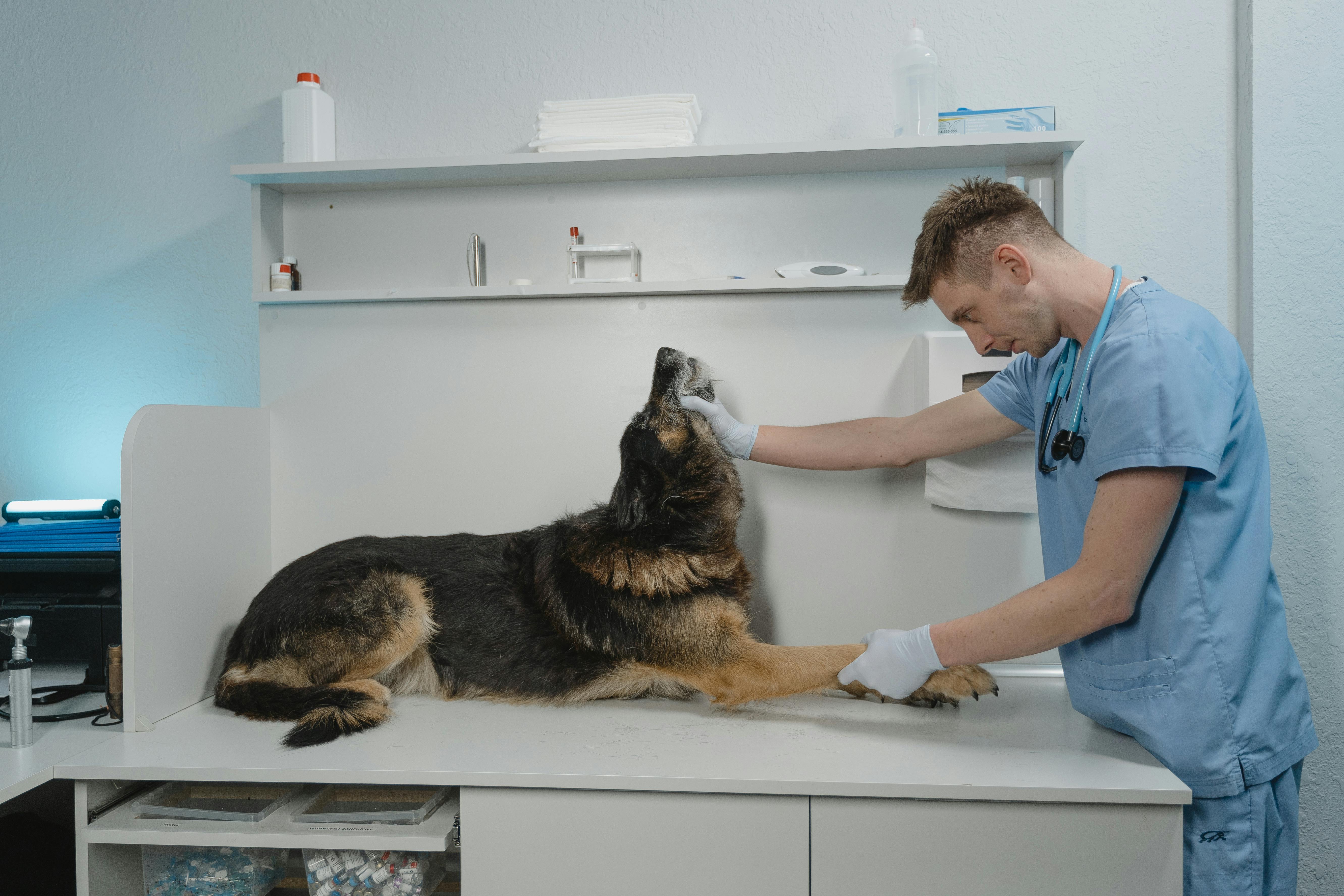
When it comes to protecting your dog or cat from fleas, ticks, and heartworms, professional veterinary care goes far beyond what over-the-counter products can offer. At Arlington Animal Clinic, our veterinarians recommend a proactive approach tailored to your pet’s unique lifestyle, health status, and risk factors.
For flea and tick control, veterinary-prescribed topical solutions, oral medications, and collars provide a level of efficacy and safety that retail products often cannot match. These treatments are designed to kill existing parasites and prevent new infestations, offering long-lasting protection throughout the peak season. In cases where an infestation is already established, our team may recommend a combination of fast-acting medications and environmental management to eliminate the problem at its source.
Heartworm prevention is a non-negotiable part of summer pet care in Jacksonville. Monthly oral or topical preventatives, prescribed based on your pet’s weight and health history, are the gold standard for stopping heartworm larvae before they can mature into dangerous adult worms. For dogs, annual heartworm testing is required to ensure ongoing protection and to catch any breakthrough infections early. Cats, while less likely to develop adult heartworms, are still at risk for heartworm-associated respiratory disease and require preventive medication as well.
Our clinic also offers comprehensive wellness exams, during which we screen for signs of parasites, discuss prevention strategies, and answer your questions about the best products for your household. With our on-site pharmacy and laboratory, you can conveniently pick up your pet’s parasite prevention medications and receive timely diagnostic results, all in one visit.
Home Prevention Strategies for Rainy Season Parasites
While veterinary-prescribed medications are the foundation of effective parasite control, there are several steps pet owners can take at home to further reduce the risk to their dogs and cats during Jacksonville’s rainy season.
Regular grooming and frequent checks of your pet’s coat are crucial, especially after walks in grassy or wooded areas. Run your hands over your dog or cat’s body to feel for bumps or attached ticks, and use a flea comb to check for flea dirt or live fleas. Bathing pets with veterinarian-approved shampoos can help remove surface parasites and soothe irritated skin.
Managing your home and yard is equally important. Keep lawns mowed short, remove leaf litter, and eliminate standing water to limit breeding sites for mosquitoes and ticks. Washing pet bedding in hot water and vacuuming carpets regularly can help disrupt the flea life cycle indoors. If your pet spends time in the yard, consider using veterinarian-recommended yard sprays or treatments, but always follow safety guidelines to prevent accidental exposure.
Limiting your pet’s access to areas known for high parasite activity, such as dense brush or areas frequented by wildlife, can also reduce the risk. For households with multiple pets, ensure that all animals are on a consistent parasite prevention program to avoid cross-infestation.
Lastly, never rely on home remedies or outdated products, as these may be ineffective or even dangerous. Always consult with your veterinarian before starting any new parasite control regimen.
When to Schedule a Veterinary Visit for Parasite Concerns
While some mild itching or scratching is normal for pets during the summer, certain signs should prompt immediate action. If you notice persistent scratching, hair loss, visible fleas or ticks, red or inflamed skin, sores that do not heal, or signs of discomfort, it is time to schedule an appointment with your veterinarian. Early intervention can prevent minor problems from escalating into more serious health issues.
Coughing, lethargy, difficulty breathing, vomiting, or sudden changes in behavior in either dogs or cats may indicate heartworm disease or other systemic illnesses related to parasite exposure. These symptoms require urgent veterinary attention, as early treatment leads to better outcomes.
At Arlington Animal Clinic, our veterinary team is committed to providing thorough evaluations, accurate diagnoses, and compassionate care for every pet. Whether you are dealing with an active infestation or want to establish a year-round prevention plan, our clinic offers the expertise and resources you need for peace of mind.
If you are ever unsure about your pet’s symptoms or need guidance on next steps, do not hesitate to reach out for professional advice. Prompt veterinary care can make all the difference in your pet’s comfort and long-term health.
Protecting Your Pet All Summer: Why Prevention Matters
Jacksonville’s rainy season brings unique challenges for pet owners, but with the right approach, you can keep your dog or cat safe from fleas, ticks, and heartworms. Remember, prevention is always easier—and more affordable—than treating an established infestation or disease. Consistent use of veterinary-recommended parasite control, combined with good home management practices, forms the backbone of year-round protection.
At Arlington Animal Clinic, we are here to support your efforts with personalized recommendations, convenient on-site services, and a caring team of veterinarians dedicated to your pet’s wellbeing. If you are searching for a vet near me who understands the unique needs of Jacksonville pets, we invite you to schedule an appointment and experience the difference our full-service clinic can make.
To get started, call us at (904) 743-4567 or visit our location in Jacksonville, FL. Let us help you enjoy a worry-free summer knowing your furry family members are protected, healthy, and happy. For more information about protecting your pet from rainy season parasites, reach out to our veterinary team today—your pet’s health is our top priority.