How to Prepare for Pet Emergencies in Jacksonville

How to Prepare for Pet Emergencies in Jacksonville
Emergencies can happen when you least expect them, especially during Jacksonville’s hot and stormy summer months. Whether your dog slips out of the yard, your cat eats something they shouldn’t, or a sudden health crisis arises, being prepared can make all the difference for your pet’s safety and wellbeing. At Arlington Animal Clinic, located at 5844 Fort Caroline Rd, Jacksonville, FL 32277, our team of veterinarians understands how stressful these situations can be for pet owners. That’s why we’re dedicated to providing comprehensive emergency and urgent care for dogs and cats during our regular business hours, offering a wide range of medical, surgical, and diagnostic services to support you and your pet when the unexpected happens. In this blog, you’ll learn how to recognize the signs of a pet emergency, understand what causes these situations, get practical tips for managing urgent issues at home, and know exactly when it’s time to schedule an appointment with our veterinary team.
Recognizing a Pet Emergency: What Pet Owners Need to Watch For
Every pet owner hopes never to face an emergency, but knowing the warning signs can help you act quickly if something goes wrong. Emergencies in dogs and cats often present suddenly, but sometimes symptoms develop over several hours. Key symptoms to watch for include difficulty breathing, persistent vomiting or diarrhea, seizures, sudden collapse, bleeding that won’t stop, or signs of severe pain such as vocalizing or unwillingness to move. Additionally, you should be concerned if your pet is unable to urinate or defecate, has pale or blue gums, experiences trauma such as being hit by a car, or is exposed to toxins like medications, chocolate, or household chemicals. Heatstroke is another summer-specific risk in Jacksonville, with early signs like excessive panting, drooling, unsteadiness, and collapse in both dogs and cats.
Less obvious emergencies can include sudden changes in behavior, refusal to eat or drink for more than a day, bloated abdomen, or weakness in the back legs (especially in cats). If you notice any of these warning signs, it’s important to stay calm and contact a veterinarian promptly. For a more detailed understanding of what constitutes an emergency for your dog or cat, you can review our specialized emergency veterinary care page.
Common Causes of Pet Emergencies in Jacksonville
Understanding why emergencies happen can help you better protect your pet. In Jacksonville, our hot, humid climate increases the risk of heatstroke, especially for dogs left outside, those with short muzzles, or pets that exercise vigorously during the hottest parts of the day. Summer storms and Fourth of July celebrations can lead to noise phobias and escape attempts, resulting in lost pets or injuries from panic-driven accidents.
Other frequent causes of emergencies include accidental ingestion of human medications, household toxins, chocolate, xylitol (found in sugar-free gum), and certain plants. Outdoor cats are at risk of trauma from vehicles, fights with other animals, or exposure to infectious diseases. Parasite infestations, such as heartworms, fleas, and ticks, can also escalate to emergency status if left untreated.
Medical conditions such as urinary blockages (more common in male cats), bloat in deep-chested dogs, allergic reactions, and acute infections or injuries can arise at any time. Preventive measures like keeping medications and cleaning products secure, using appropriate parasite prevention, and monitoring your pet during periods of high stress or extreme weather can reduce the risk of many emergencies.
How Our Veterinary Team Treats Common Pet Emergencies
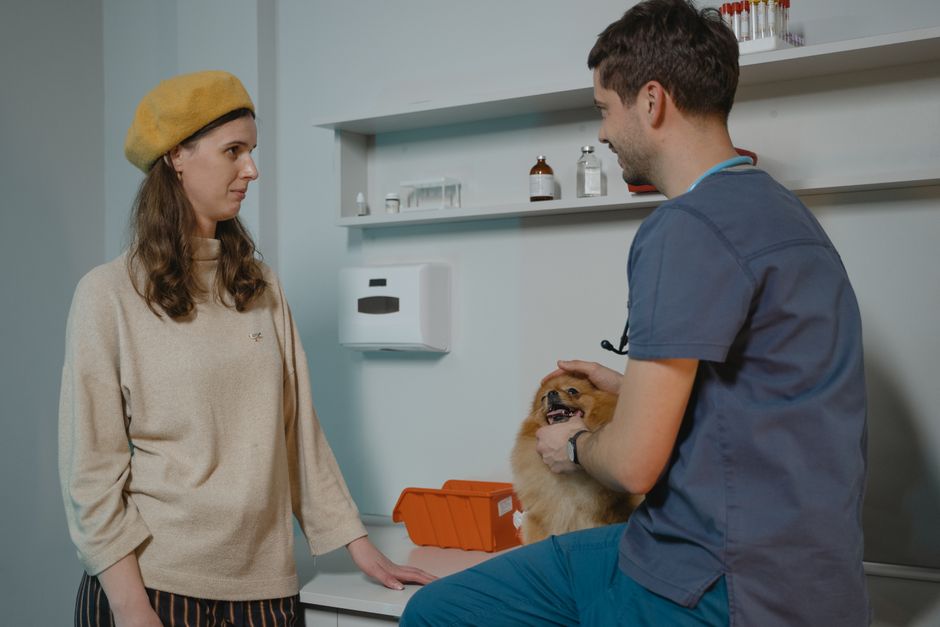
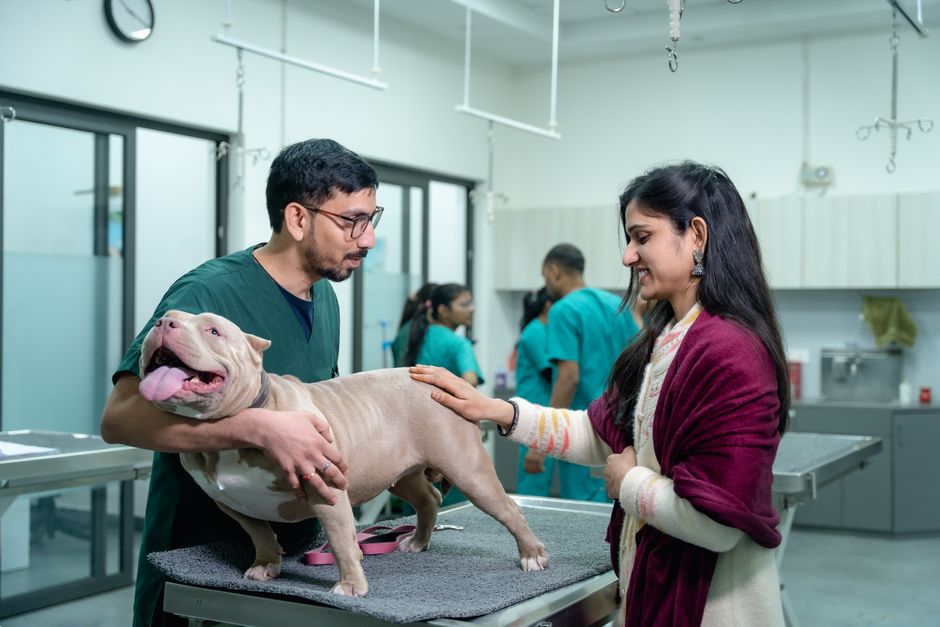
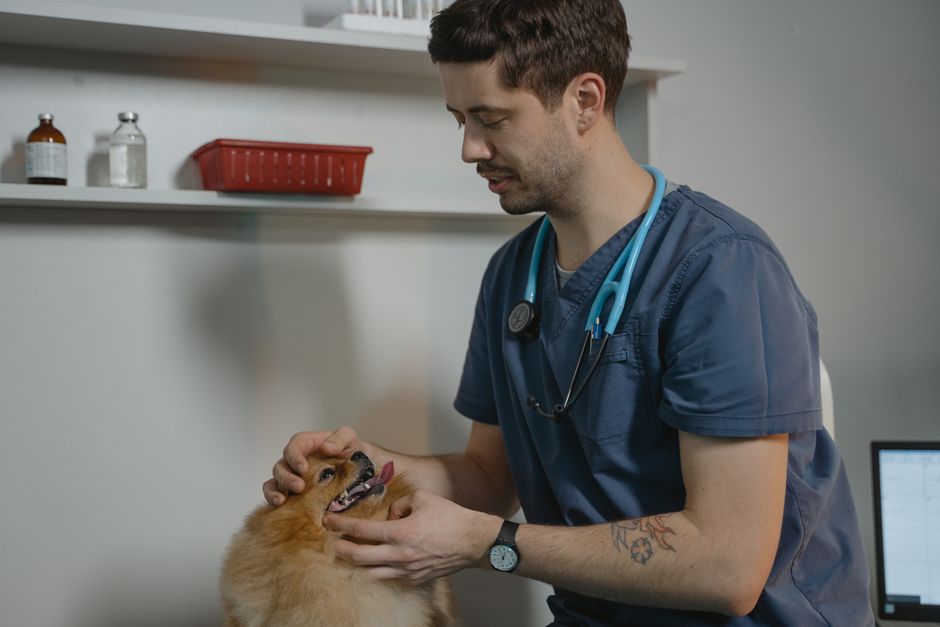
When the unexpected occurs, prompt and professional veterinary care is essential. At Arlington Animal Clinic, our veterinarians are equipped to handle a wide range of urgent and emergency medical situations for both dogs and cats. Our onsite laboratory, digital and dental radiology, and outpatient intensive care capabilities enable us to quickly diagnose and begin treatment for your pet.
For example, if your pet arrives with difficulty breathing, our team will provide oxygen support, stabilize their airway, and perform diagnostic tests to determine the underlying cause. In cases of trauma, such as falls or car accidents, we use digital radiology to assess for internal injuries and fractures, followed by pain management and surgical intervention if necessary.
Poisonings are managed with prompt administration of antidotes or supportive therapies, including intravenous fluids and medications to reduce toxin absorption. Seizures, allergic reactions, and severe infections are addressed with individualized treatment plans, tailored to your pet’s specific needs. Our outpatient intensive care services allow us to monitor patients closely while providing advanced therapies.
We understand that emergencies can be overwhelming for pet owners. Our veterinary team keeps you informed every step of the way, explaining treatment options and likely outcomes so you can make the best decisions for your pet’s health. For more information about the types of emergency and urgent care we provide, you can visit our same-day and urgent pet care services page.
Practical Steps for Pet Owners: Preventing and Managing Emergencies at Home
While some emergencies are unavoidable, there are steps pet owners can take to reduce risks and respond effectively when problems arise. Keeping your home pet-safe involves storing all medications, cleaning supplies, and foods like chocolate or grapes out of reach. Secure trash cans and keep small objects that could be swallowed off the floor. During Jacksonville’s hottest months, ensure your dog or cat always has access to shade and fresh water, and avoid exercising your pet during peak heat. Never leave pets in parked cars, even for a few minutes.
It’s helpful to maintain an emergency kit with items like your veterinarian’s phone number, a pet carrier, a leash, gauze for wounds, and copies of your pet’s medical records. Practice safe handling if your pet is injured; even the gentlest animal may bite or scratch when in pain. Avoid giving food, water, or medications unless instructed by your veterinarian, as some emergencies require an empty stomach for treatment.
For preventive care, schedule regular wellness examinations and keep up with vaccination services to help protect your pet from common infectious diseases. Using prescribed flea, tick, and heartworm preventives year-round is especially important in the Jacksonville area due to our extended warm season. Microchipping and keeping ID tags up to date increases your chance of being reunited if your pet escapes during a storm or emergency.
When to Schedule an Emergency Appointment with Arlington Animal Clinic
Knowing when to seek professional veterinary care can save your pet’s life. Immediate action is necessary if your dog or cat is having trouble breathing, experiencing seizures, bleeding profusely, or collapses suddenly. Other situations that require urgent attention include ingestion of toxins, persistent vomiting or diarrhea, inability to urinate, bloat, or signs of extreme pain.
If your pet’s symptoms are less severe but still concerning, such as limping, sudden changes in appetite or behavior, or mild wounds, it’s best to call our veterinarians to discuss next steps. Our clinic is open during convenient hours Monday through Saturday, making it easy to schedule an appointment for urgent needs. For life-threatening emergencies outside our business hours, we recommend contacting a local 24-hour emergency hospital.
Our veterinary professionals are always available to answer your questions and guide you through the decision of whether your pet needs immediate care. For species-specific advice, review our cat emergency care services or dog emergency care services pages for more details.
The Importance of Ongoing Preparedness and Preventive Care
Being ready for emergencies involves more than just reacting when something goes wrong. Preventive care, regular checkups, and staying informed about potential risks are key to keeping your pet healthy and safe. The Jacksonville climate brings unique challenges, from heatstroke threats to increased parasite exposure, so working with a local veterinarian who understands these risks is essential.
By keeping your pet’s medical records organized, knowing the location and contact details of your veterinary clinic, and maintaining open communication with your veterinary team, you can respond confidently in any crisis. Remember that the best way to handle an emergency is to prevent one whenever possible through regular comprehensive pet exams, vaccinations, and parasite prevention.
Ready to Help: Your Jacksonville Veterinary Resource for Emergencies
You never know when your dog or cat might need urgent help, but being prepared can make all the difference. At Arlington Animal Clinic, our team of veterinarians is here to support pet owners throughout Jacksonville and surrounding communities with compassionate, expert care for emergencies and urgent needs. If you’re worried about your pet’s health or unsure whether their symptoms are serious, don’t wait—schedule an appointment with us right away.
When you’re searching for a veterinarian near me, trust the local experience and broad capabilities of Arlington Animal Clinic. To learn more about our emergency and urgent care options, visit our emergency veterinary care page or call (904) 743-4567 to speak with our veterinary team. For directions, find us at 5844 Fort Caroline Rd, Jacksonville, FL 32277. Your pet’s wellbeing is our top priority, and we are dedicated to being your trusted partner in every situation, big or small.
This blog is intended for informational purposes and does not replace professional veterinary care. If you believe your pet is experiencing a medical emergency, contact a veterinarian immediately.