Beat the Heat: Summer Hydration Tips for Jacksonville Pets

Beat the Heat: Summer Hydration Tips for Jacksonville Pets
Summer in Jacksonville brings soaring temperatures and relentless humidity, which can be tough on both people and pets. If you are a dog or cat owner, you might find yourself worrying about how to keep your furry companion comfortable and hydrated during the hottest months of the year. At Arlington Animal Clinic, located at 5844 Fort Caroline Rd, Jacksonville, FL 32277, our team of veterinarians is dedicated to helping you protect your pet from the dangers of dehydration and heat-related illnesses that can arise in the Florida summer. In this blog, you will discover the most important signs of dehydration, understand why pets are especially vulnerable in our local climate, and learn practical tips for keeping your dog or cat healthy and happy all season long. We will also explain how our comprehensive wellness services support your pet’s hydration and overall health, and when it is time to schedule an appointment with our veterinary team for expert care.
Recognizing the Signs of Dehydration in Dogs and Cats
Knowing how to spot the early warning signs of dehydration in your pet can make all the difference when it comes to preventing a serious health crisis. Dehydration can develop quickly, especially during the peak of Jacksonville’s summer heat. Common symptoms include excessive panting, dry or sticky gums, lethargy, loss of appetite, and sunken eyes. You may also notice your pet is less interested in playing, has decreased skin elasticity (meaning if you gently pinch the skin between the shoulder blades it does not spring back right away), or is producing less urine than usual. In cats, subtle changes like increased hiding, grooming less, or a rougher coat can also indicate trouble. Dogs might drool more or seem unusually restless. If you observe any of these signs, it’s important to take action right away to help your pet cool down and rehydrate, as dehydration can lead to serious complications like kidney damage, organ failure, and heat stroke.
Why Jacksonville Pets Are at Higher Risk During Summer
Jacksonville’s combination of high temperatures and humidity creates a challenging environment for pets, especially those with thick coats, flat faces (like Bulldogs or Persians), or underlying health issues. Unlike humans, dogs and cats do not sweat effectively to regulate their body temperature; instead, they rely on panting and minimal sweating through their paw pads. When the air is humid, panting becomes less effective, making it harder for pets to cool themselves down. Additionally, pets can become dehydrated more quickly when they are active outside, left in unshaded areas, or do not have constant access to cool, clean water. Senior pets, puppies, kittens, and those with chronic conditions are particularly vulnerable. Even indoor pets are at risk if their environment is not kept cool and their water bowls are not replenished regularly. Recognizing the unique risk factors of our local climate helps you stay proactive in protecting your pet’s health.
Professional Treatment Options at Arlington Animal Clinic
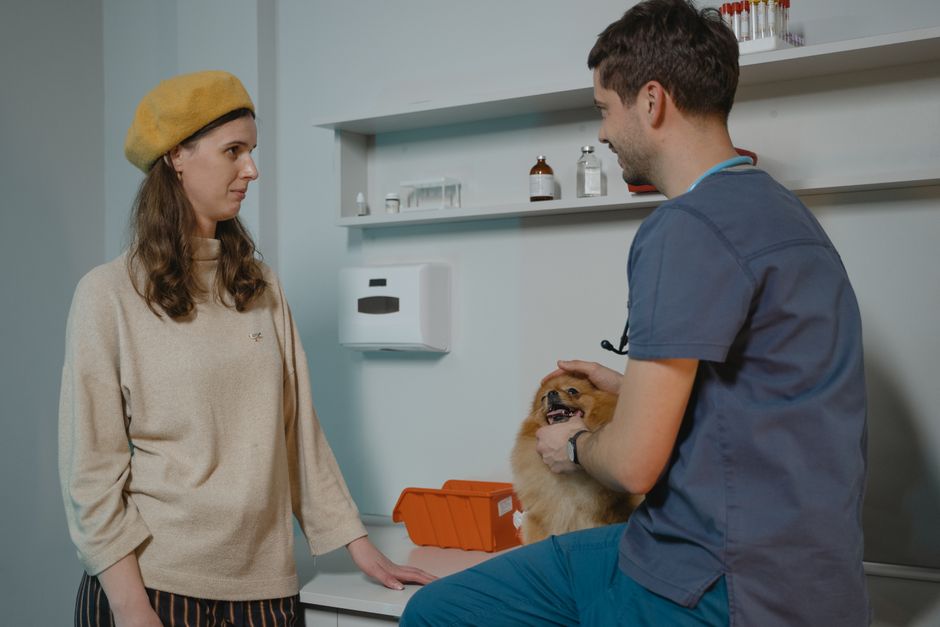
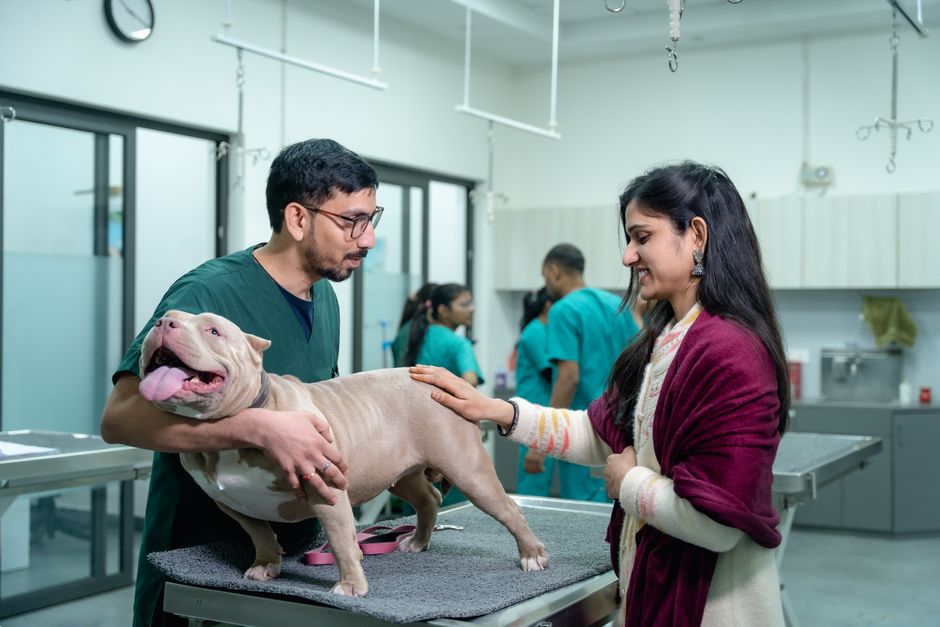
If your dog or cat is showing signs of dehydration or heat-related illness, timely veterinary care is critical. At Arlington Animal Clinic, our veterinary professionals are equipped with on-site lab services, digital radiology, and outpatient intensive care to quickly assess your pet’s condition and provide targeted treatment. Treatment for dehydration typically involves rehydration with fluids, which may be administered under the skin or intravenously in more severe cases. Our team will also evaluate for underlying causes, such as heatstroke, kidney disease, or gastrointestinal problems, and monitor your pet’s recovery carefully. In some situations, additional support such as electrolyte supplementation, oxygen therapy, or hospitalization may be needed. We offer comprehensive wellness examinations for both dogs and cats, which include hydration assessments and tailored recommendations for summer health. To learn more about keeping your dog healthy all year, visit our page on preventive care services for dogs, or for cats, see our information on routine wellness exams for cats.
How Our Services Support Your Pet’s Hydration and Health
Beyond immediate treatment, our veterinary team emphasizes preventive care to help your pet thrive through every season. Wellness checkups include reviewing your pet’s daily routines, diet, and home environment to identify any factors that might increase dehydration risk. We offer nutritional counseling to ensure your pet is eating a moisture-rich diet suited to their age and health status. Our on-site pharmacy makes it easy to access medications or supplements that may be needed for pets with chronic conditions affecting hydration. If your pet needs extra support, such as prescription diets or advanced diagnostics, our team can create a personalized plan to safeguard their wellbeing during the summer heat.
Preventing Dehydration: Home Care Tips for Jacksonville Pet Owners
Keeping your pet hydrated and cool at home starts with simple, effective strategies you can put into practice right away. Always provide fresh, clean water, and place multiple water bowls throughout your house and yard to encourage frequent drinking. In the hottest parts of the day, keep walks short and avoid heat-reflective surfaces like asphalt that can burn sensitive paw pads and increase body temperature. Create shady spots in your yard or patio, and consider using fans or air conditioning indoors. Some pets enjoy ice cubes in their water or frozen treats made from pet-safe ingredients, which can promote hydration and offer relief from the heat. For cats, running water fountains often entice them to drink more. Monitor your pet’s water intake, especially if they are older, take medications, or have health issues. If you have questions about the best diet for hydration or want to learn more about optimal nutrition, our veterinarians provide specialized guidance through services like nutritional counseling for dogs and cat-specific nutrition advice.
When to Schedule a Veterinary Visit for Heat or Hydration Concerns
In some cases, dehydration or overheating can progress quickly and require urgent professional attention. You should schedule an appointment with our veterinary team if your dog or cat is vomiting, has diarrhea, refuses to drink for more than 24 hours, appears weak or unresponsive, or shows signs of heatstroke such as rapid heartbeat, glazed eyes, or collapse. Even mild cases of dehydration can be dangerous if left untreated, especially in our local climate where the risk of heat stress is elevated. Do not attempt home remedies or wait to see if symptoms resolve on their own. Our veterinarians can quickly assess your pet’s needs and provide the appropriate intervention to prevent complications. For after-hours emergencies, we recommend contacting a local emergency facility; however, for same-day or urgent summer care during our business hours, our team is here to help.
Keeping Your Pet Healthy All Summer: The Arlington Animal Clinic Difference
At Arlington Animal Clinic, we know how much your pet means to your family, and we are committed to providing compassionate, comprehensive care that keeps them healthy and happy year-round. Our full-service veterinary clinic in Jacksonville offers everything from preventive exams to advanced diagnostics, making us your trusted partner in pet health. If you are searching for a "vet near me" who understands the challenges of caring for pets in Jacksonville’s unique climate, look no further than our experienced team of veterinarians.
To schedule an appointment or discuss your pet’s hydration and summer wellness needs, call us at (904) 743-4567. Whether you have questions about hydration, diet, or preventive care, we invite you to explore our client education library for more tips and resources. Let us help you beat the heat and give your pet the care they deserve this summer!
Disclaimer: This blog is intended for informational purposes only and should not replace professional veterinary advice. If your pet is experiencing symptoms of dehydration or heatstroke, contact a veterinarian immediately.