Common Pet Emergencies: What Jacksonville Owners Should Know

Common Pet Emergencies: What Jacksonville Owners Should Know
When your dog or cat suddenly isn’t acting right, it can be frightening to wonder if it’s a true emergency. At Arlington Animal Clinic, located right in the heart of Jacksonville at 5844 Fort Caroline Rd, Jacksonville, FL 32277, our team of veterinarians understands how overwhelming it can feel when your pet is in distress. Recognizing a pet emergency early and knowing what steps to take can make all the difference for your companion’s health and comfort. This guide will help Jacksonville pet owners identify the most common urgent situations for dogs and cats, understand what causes them, learn basic first steps, and know exactly when to seek immediate veterinary help.
Whether it’s a sudden injury, a bout of vomiting, or unexplained collapse, prompt action is key. We’ll walk you through the most frequent emergencies seen in our clinic, what signs to watch for, and how Arlington Animal Clinic supports your pet with comprehensive medical, surgical, and same-day urgent care. For situations that just can’t wait, our emergency care services are here to help pets in Jacksonville and surrounding communities get the care they need. Read on to feel more prepared and confident, knowing you have a local veterinary partner ready to support you when your pet needs it most.
Recognizing a Pet Emergency: Warning Signs Every Owner Should Know
Not every health concern is an emergency, but some symptoms mean your pet needs immediate veterinary attention. Knowing these warning signs can help you act quickly and avoid dangerous delays. Common emergencies in dogs and cats include trauma, such as being hit by a car or experiencing a fall; sudden collapse or difficulty walking; repeated vomiting or diarrhea, especially if blood is present; difficulty breathing or persistent coughing; seizures; severe bleeding; inability to urinate or defecate; bloated or distended abdomen; exposure to toxins; and sudden, extreme lethargy.
Other red flags are unresponsiveness, pale gums, uncontrolled pain (crying out or panting excessively), or visible wounds. Cats are especially skilled at hiding pain, so subtle changes—such as hiding, not eating, or rapid breathing—should be taken seriously. Dogs may show distress by pacing, excessive drooling, or agitation. If you ever feel unsure, it’s always best to contact your veterinarian for guidance.
Why Do Pet Emergencies Happen? Understanding the Causes
Pet emergencies can arise from a variety of situations, often when you least expect it. Traumatic injuries, such as those from car accidents, falls, or animal altercations, are a leading cause of urgent visits in Jacksonville. Our warm Florida climate also means pets are at increased risk for heatstroke, especially during the summer months. Ingesting toxins, such as chocolate, xylitol (found in sugar-free gum), human medications, or certain plants, is another frequent reason pets end up needing emergency care.
Gastrointestinal issues like severe vomiting, diarrhea, or bloat can develop suddenly due to dietary indiscretion, infections, or underlying medical problems. Urinary blockages, particularly in male cats, can become life-threatening within hours. Heart conditions, respiratory problems, and allergic reactions (such as bee stings or vaccine reactions) may also progress rapidly. Understanding these risks helps pet owners make safer choices at home and recognize when something truly urgent is happening.
Emergency Treatments: What to Expect at the Veterinary Clinic
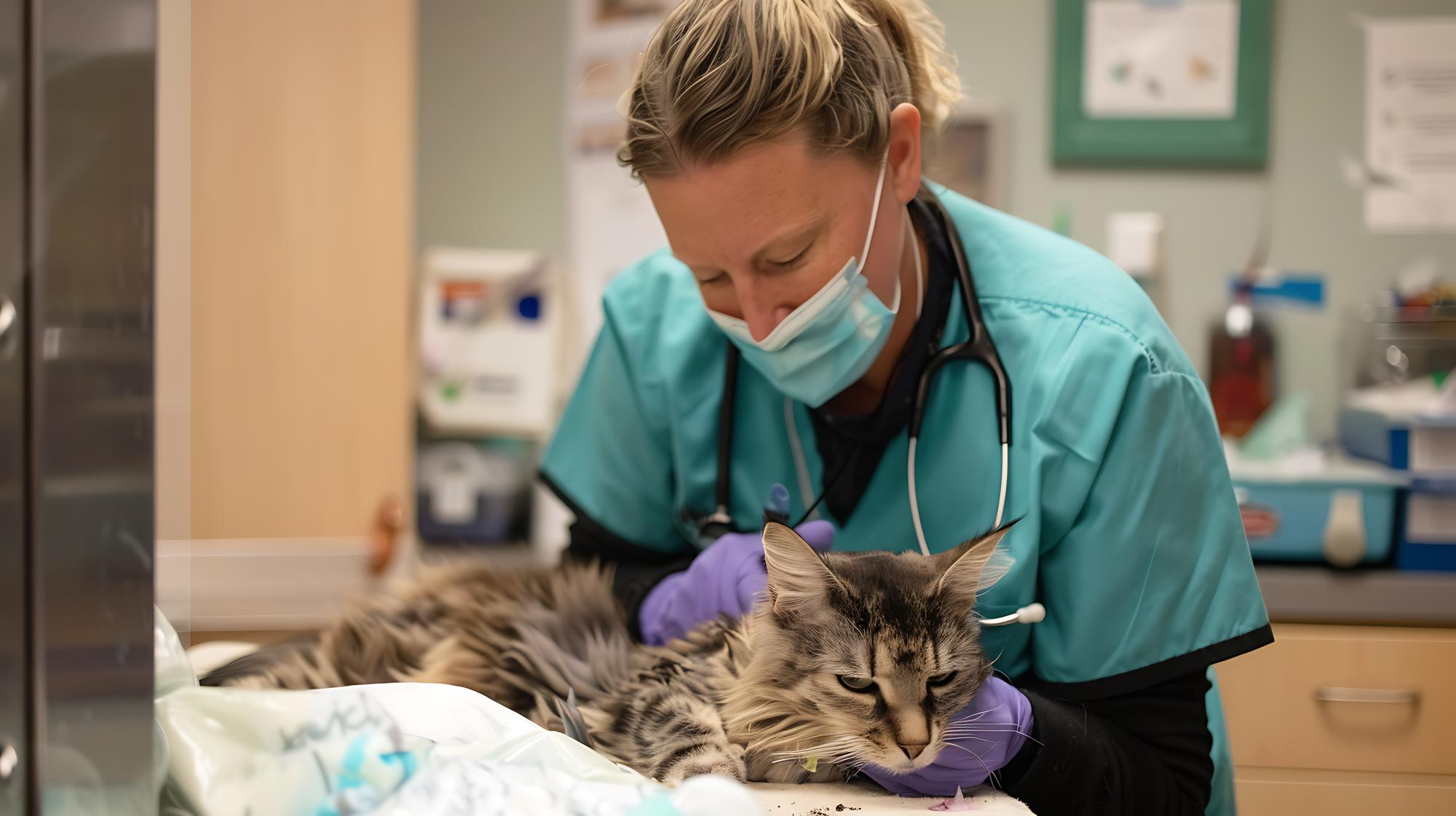
When you arrive at Arlington Animal Clinic with a pet emergency, our veterinary team begins with a rapid assessment to determine stability and prioritize care. Initial steps often involve checking vital signs, administering oxygen if needed, controlling bleeding, and starting intravenous fluids for shock or dehydration. Diagnostic tests such as bloodwork, digital radiology, or ultrasound may be recommended to pinpoint the cause of symptoms.
Depending on your pet’s condition, treatment approaches range from wound repair and fracture stabilization to management of seizures, toxin ingestion protocols, or surgical intervention for issues like bloat or internal injuries. Our on-site pharmacy ensures medications can be administered without delay, while our outpatient intensive care services allow for close monitoring of critical patients. Throughout the process, our veterinarians will communicate clearly, explain options, and keep you involved in decision-making. If you have concerns about your cat or dog’s emergency needs, you can learn more about cat emergency care or dog emergency care at our clinic.
Home Steps and Prevention: What Pet Owners Can Do
While not every emergency can be prevented, there are practical steps owners can take to reduce risk and provide first aid when needed. Keeping hazardous foods, household cleaners, and medications locked away helps prevent accidental poisonings. Supervising dogs and cats outdoors and using secure leashes or carriers can minimize trauma from vehicles or animal fights. During hot Jacksonville days, always provide access to shade and fresh water; never leave pets in parked cars, even for a short time.
If an emergency happens, remain as calm as possible. For bleeding, gentle pressure with a clean cloth often helps until you can reach our clinic. If your pet is choking but still breathing, avoid sticking your fingers in their mouth; bring them in immediately so our veterinary team can assist safely. In cases of suspected toxin ingestion, bring the packaging or a sample if possible. For seizures, clear the area around your pet and avoid restraining them—note the duration and then seek veterinary help. Keeping your pet’s medical records and our clinic number handy makes it easier to act fast during a crisis.
Regular preventive care, such as routine pet vaccinations, parasite prevention, and wellness exams, also helps catch health issues before they become emergencies. Our veterinarians can guide you on creating an emergency kit and action plan tailored to your pet’s needs.
When Should You Seek Immediate Veterinary Care?
It can be difficult to know when to watch and wait versus when to get help right away. Any time your dog or cat is experiencing difficulty breathing, uncontrolled bleeding, repeated vomiting or diarrhea, inability to stand, or signs of severe pain, you should contact your veterinarian without delay. Sudden collapse, unresponsiveness, seizure activity, or suspected toxin ingestion also require urgent care. If your male cat is straining in the litterbox or unable to urinate, this is a critical emergency.
If you are ever in doubt, err on the side of caution—prompt veterinary attention can save lives and spare your pet unnecessary suffering. At Arlington Animal Clinic, we encourage you to call us at (904) 743-4567 or come in during business hours if you are concerned about your pet’s health. Our team of veterinarians is prepared to assess and stabilize emergencies, getting your pet the help they need as quickly as possible.
For additional guidance on what constitutes an emergency and how our clinic can help, review our emergency veterinary care services or consult trusted resources such as the American Veterinary Medical Association (AVMA) and the Florida Veterinary Medical Association (FVMA).
Your Local Veterinary Partner in Pet Emergencies
Emergencies are never planned, but you can be prepared by knowing the signs, taking preventive steps, and having a trusted veterinary partner in Jacksonville. Arlington Animal Clinic is committed to supporting pet owners during urgent situations, offering a full range of medical, surgical, and diagnostic services to care for your dog or cat. If you’re ever searching for a vet near me, remember that our skilled veterinary team is just a call or visit away.
If you have questions about pet emergency preparedness or need immediate assistance, schedule an appointment or reach out to our team at (904) 743-4567. You can also visit us at 5844 Fort Caroline Rd, Jacksonville, FL 32277 for compassionate, expert care when your pet needs it most. For more information on our emergency care services for Jacksonville pets, or to learn about our preventive care programs, our veterinary team is here to help you and your companion every step of the way.