Keeping Dogs and Cats Safe From Heatstroke in Jacksonville
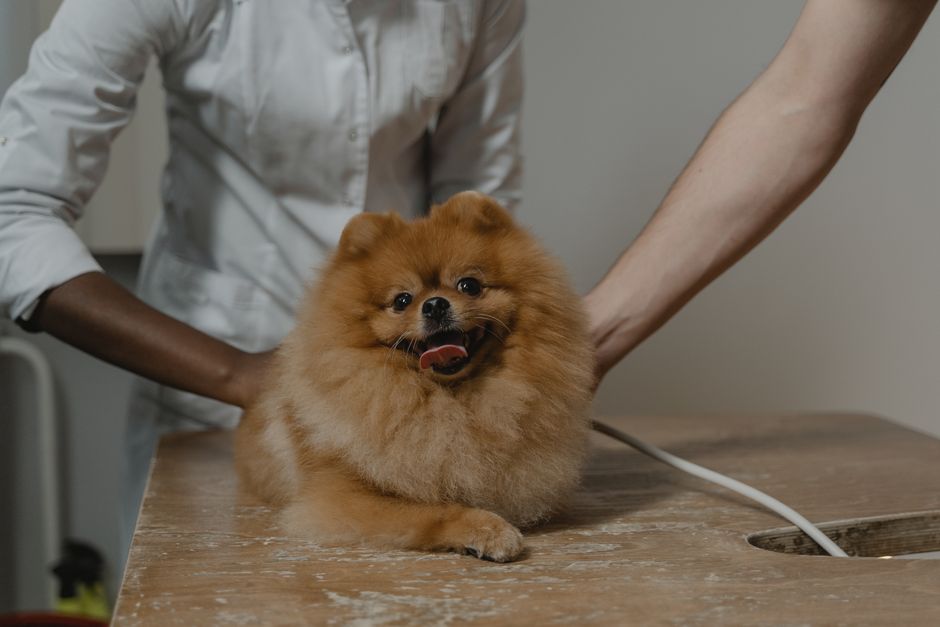
Keeping Dogs and Cats Safe From Heatstroke in Jacksonville
Hot, humid summer days in Jacksonville aren’t just uncomfortable for people—they can put your dog or cat at serious risk for heatstroke. If you’re worried about your pet’s safety during outdoor play, walks, or even a lazy afternoon in the backyard, you’re not alone. At Arlington Animal Clinic, located at 5844 Fort Caroline Rd, Jacksonville, FL 32277, our team of veterinarians sees the effects of summer heat on pets every year. This blog will walk you through the key signs of heatstroke in dogs and cats, which pets are most at risk, why the condition develops, and the steps you can take at home to keep your pets safe. We’ll also explain when you need to seek veterinary care right away and how our clinic can help support your pet’s health throughout the summer.
Recognizing the Signs of Heatstroke in Dogs and Cats
Understanding what heatstroke looks like in your pet is crucial to preventing long-term damage or even a life-threatening emergency. Dogs and cats don’t sweat the way humans do; instead, they rely on panting and a few sweat glands in their paw pads to release heat. When temperatures and humidity soar, these cooling systems can become overwhelmed, leading to dangerous overheating.
The most common symptoms of heatstroke in dogs include excessive panting, drooling, rapid heart rate, weakness, bright red gums, and vomiting or diarrhea. Some dogs may become lethargic, stagger, or even collapse if their body temperature becomes critically high. In cats, signs of heatstroke can be subtler but are equally serious. Watch for open-mouth breathing, rapid or labored breathing, restlessness, drooling, and red or pale gums. Cats may also hide, appear unusually anxious, or vomit if overheating.
If you notice any of these symptoms in your dog or cat, especially after time outdoors or in a warm environment, it’s important to act quickly. Severe heatstroke can cause organ failure, seizures, or death if not treated promptly. Our veterinary team at Arlington Animal Clinic is here to help you recognize these warning signs and provide fast, effective care if your pet is in distress.
Why Do Pets Get Heatstroke? Understanding the Risks in Jacksonville’s Climate
Jacksonville’s summer weather presents a unique challenge for pet owners. Temperatures often climb into the high 80s and 90s, and humidity levels can make it feel even hotter. Dogs and cats are particularly vulnerable because they cannot regulate their body temperature as efficiently as humans.
Several factors increase the risk of heatstroke. Brachycephalic breeds, such as Bulldogs, Pugs, Persians, and Himalayans, have shortened noses that make it harder to pant and cool off. Pets with thick or dark coats, senior animals, those who are overweight, and pets with heart or respiratory conditions face higher risks. Even young, healthy dogs can overheat if they exercise too vigorously or spend too much time in direct sunlight without shade or water.
Environmental factors also play a major role. Hot cars are a notorious danger; temperatures inside a vehicle can skyrocket in minutes, even with the windows cracked. Asphalt, sand, and concrete absorb heat and can burn your pet’s paws while raising their body temperature. In Jacksonville, high humidity is a particular concern because it makes it harder for evaporative cooling (panting) to be effective. Understanding these risks can help you make safer choices for your pet during the hottest months of the year.
What to Do if You Suspect Heatstroke: Treatment and Immediate Action
If you believe your dog or cat may be suffering from heatstroke, immediate action can make the difference between a quick recovery and a life-threatening crisis. Start by moving your pet to a cool, shaded area or indoors with air conditioning. Offer small amounts of cool water for your pet to drink, but do not force them to drink if they are vomiting or not fully alert.
Begin cooling your pet by wetting their fur with cool (not cold) water, especially on the belly, paws, and around the ears. You can use a damp towel or a gentle spray, but avoid ice-cold water or ice packs, as these can cause blood vessels to constrict and slow the cooling process. Turn on a fan to increase airflow if possible.
While these actions can help lower your pet’s temperature, heatstroke is a medical emergency that often requires veterinary intervention. Dogs and cats may experience complications such as dehydration, electrolyte imbalances, organ damage, or neurological symptoms even after they appear to improve. At Arlington Animal Clinic, our team is equipped to provide rapid assessment, intravenous fluids, oxygen therapy, and advanced monitoring to support your pet’s recovery.
If your dog or cat shows any signs of severe distress—such as collapse, seizures, loss of consciousness, or persistent vomiting—do not wait. Call our clinic at (904) 743-4567 right away so we can prepare for your arrival and provide immediate care.
Preventing Heatstroke: Keeping Your Jacksonville Pet Safe All Summer
Prevention is the best defense against heatstroke. Simple changes to your daily routine can significantly reduce your pet’s risk of overheating. Walk your dog early in the morning or later in the evening, when temperatures are cooler and pavement is less likely to burn sensitive paw pads. Always provide fresh, cool water and access to shaded or air-conditioned areas, whether your pet is outside or inside.
Never leave your pet unattended in a parked car, even for a few minutes. The temperature inside can quickly rise to unsafe levels. For cats who spend time on screened porches or in sunrooms, ensure there is plenty of airflow and shade. Consider keeping cats indoors during the hottest part of the day.
Grooming can also play a role in heat management. Regular brushing helps remove excess undercoat and tangles, allowing for better airflow against the skin. However, avoid shaving double-coated breeds, as their fur actually helps insulate against both heat and sunburn. If you are unsure about the best grooming approach for your pet, our veterinarians can provide guidance during a wellness examination or cat wellness exam.
For pets with pre-existing health conditions, discuss their specific risks with your veterinarian before the summer season begins. Our team can help you develop a personalized plan for exercise, hydration, and monitoring based on your pet’s age, breed, and medical history.
When to Seek Veterinary Care for Heatstroke
Knowing when to call the veterinarian can save your pet’s life. If your dog or cat is panting excessively, drooling profusely, vomiting, acting lethargic, or showing any other signs of heatstroke after time outdoors or in a warm environment, it’s time to seek professional help. Early intervention is critical to prevent complications from dehydration, organ damage, or shock.
If your pet loses consciousness, has a seizure, collapses, or cannot be roused, these are signs of a severe emergency. Transport your pet to our clinic at 5844 Fort Caroline Rd, Jacksonville, FL 32277 immediately, and call ahead at (904) 743-4567 so our veterinary team can be ready to assist you upon arrival. For additional information on what to do in urgent situations, visit our emergency care services for dogs or emergency veterinary care for cats.
In less urgent cases—such as mild symptoms that resolve quickly after cooling—schedule a follow-up examination to rule out any lingering effects. Our veterinarians may recommend lab work or additional monitoring to ensure your pet’s health is stable.
Supporting Your Pet’s Health Year-Round in Jacksonville
Keeping your dog or cat safe from heatstroke is just one part of comprehensive preventive care. Regular wellness exams, vaccinations, and preventive care services for dogs or cats help catch underlying health concerns early and keep your pet in top condition all year long. At Arlington Animal Clinic, we are committed to supporting the well-being of pets in Jacksonville and surrounding communities with a full range of medical, surgical, and dental services.
Our team of veterinarians understands the unique challenges of Florida’s climate and is always here to answer your questions about seasonal risks, parasite prevention, nutrition, and more. If you are searching for a trusted "vet near me" to help you protect your pet from the dangers of summer heat, look no further than our experienced veterinary professionals.
If you have concerns about heatstroke or want to schedule a preventive checkup, call us at (904) 743-4567 or visit us at 5844 Fort Caroline Rd, Jacksonville, FL 32277. Together, we can ensure your pet enjoys a safe, happy summer—no matter how high the thermometer climbs.
This blog is intended for informational purposes only and does not replace professional veterinary care. If you suspect your pet is experiencing heatstroke or any other emergency, contact your veterinarian immediately.